










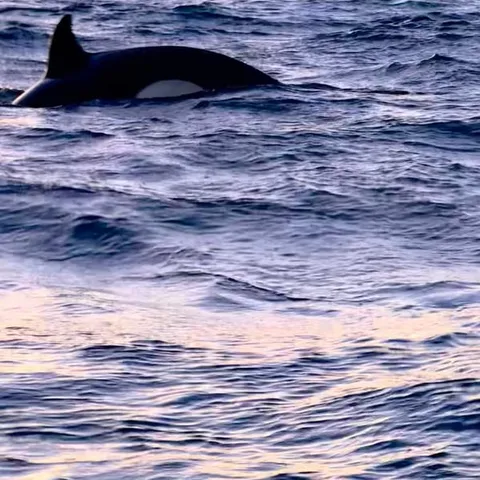
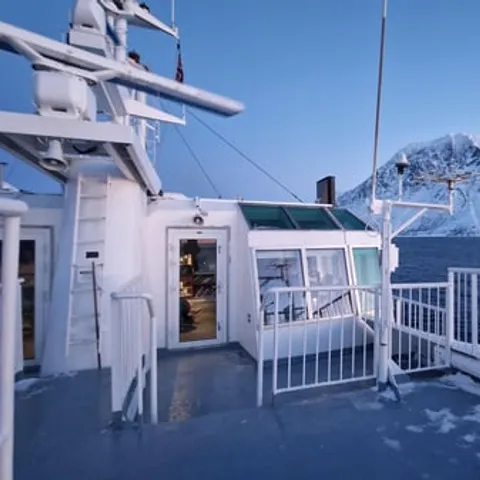
What is this whale watching tour by hybrid-electric boat?
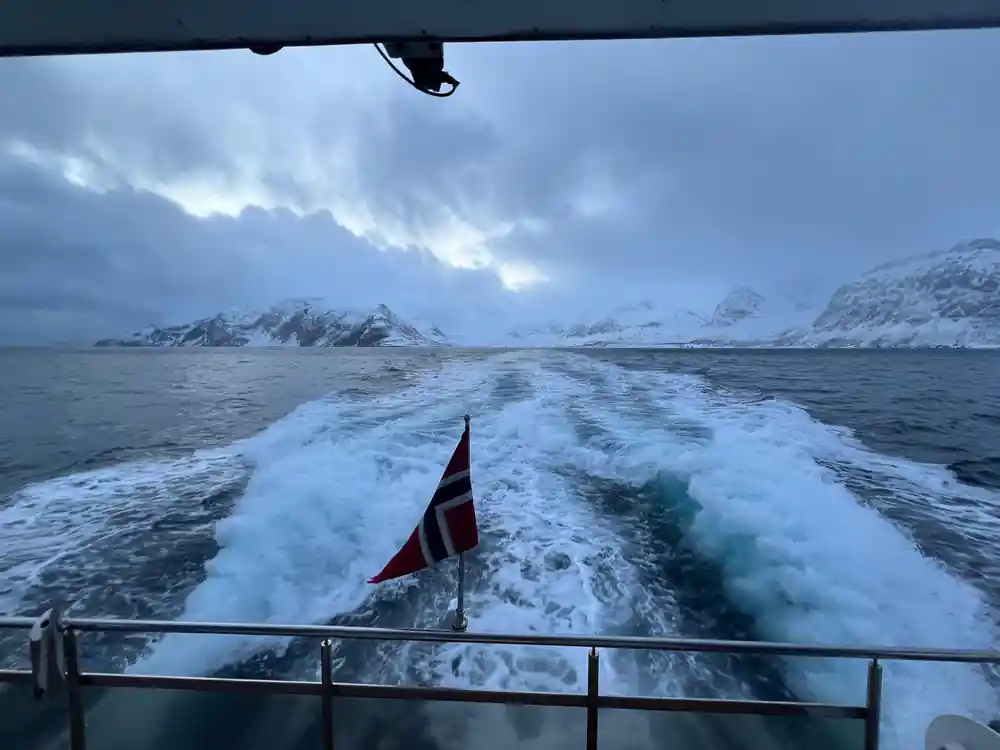
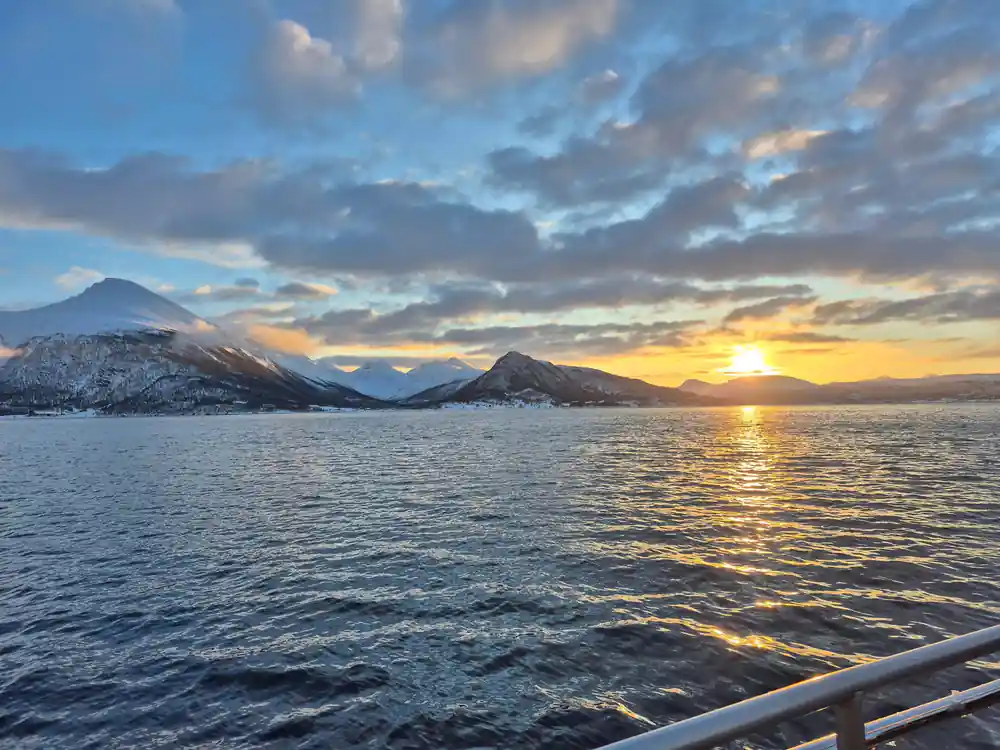
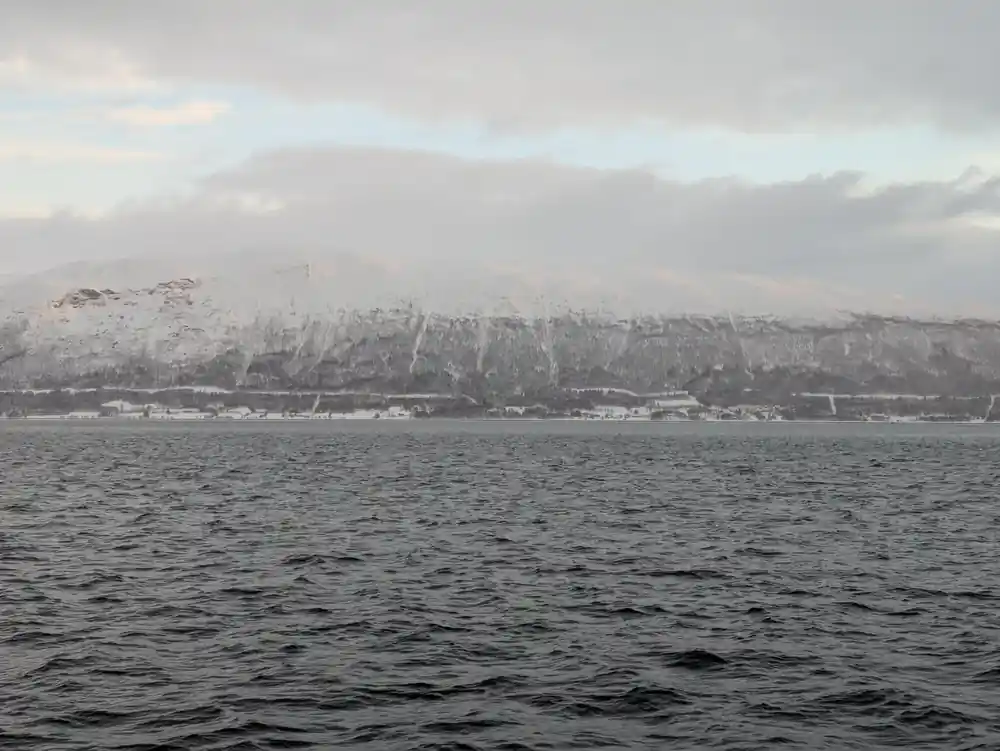
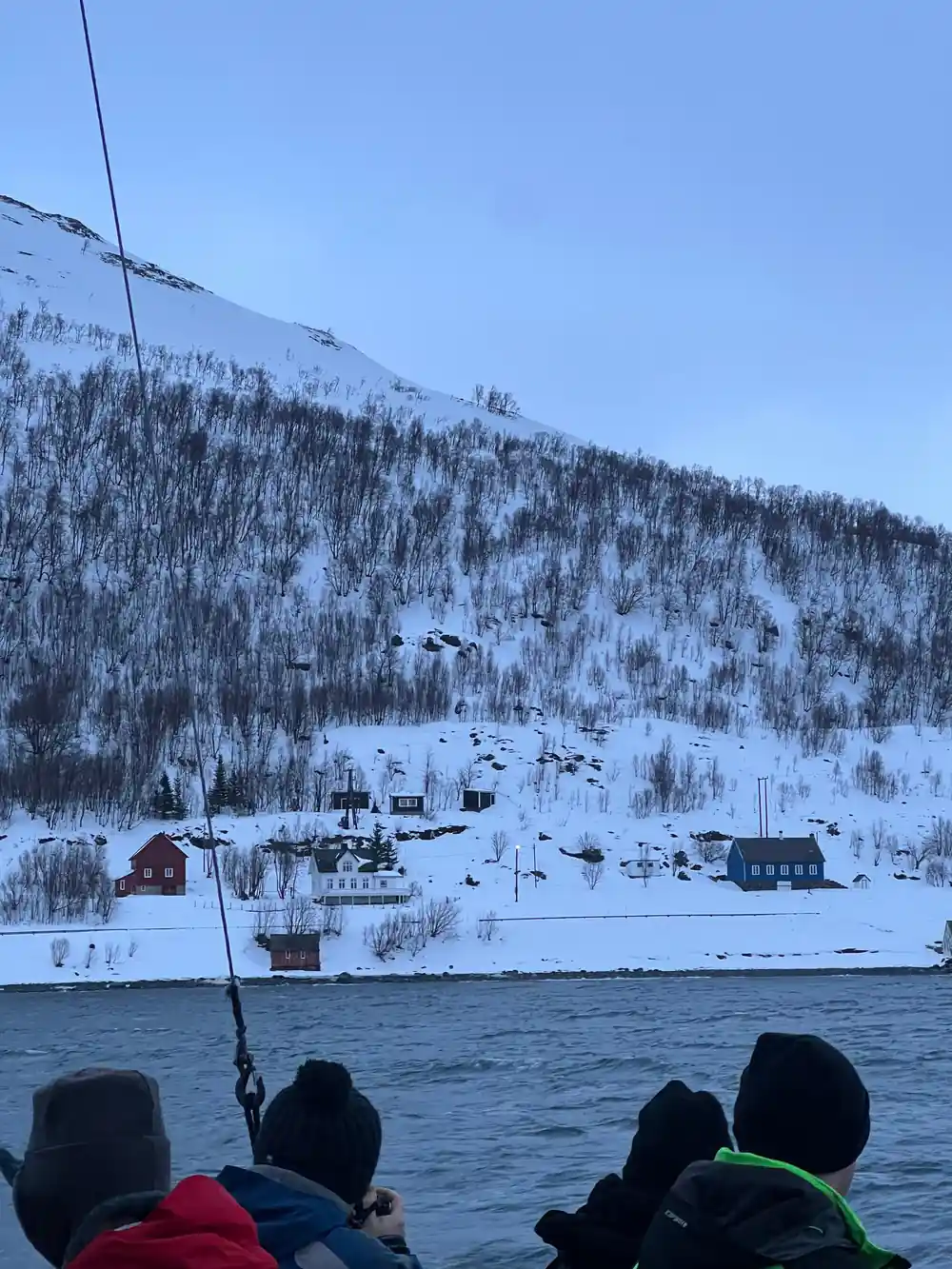
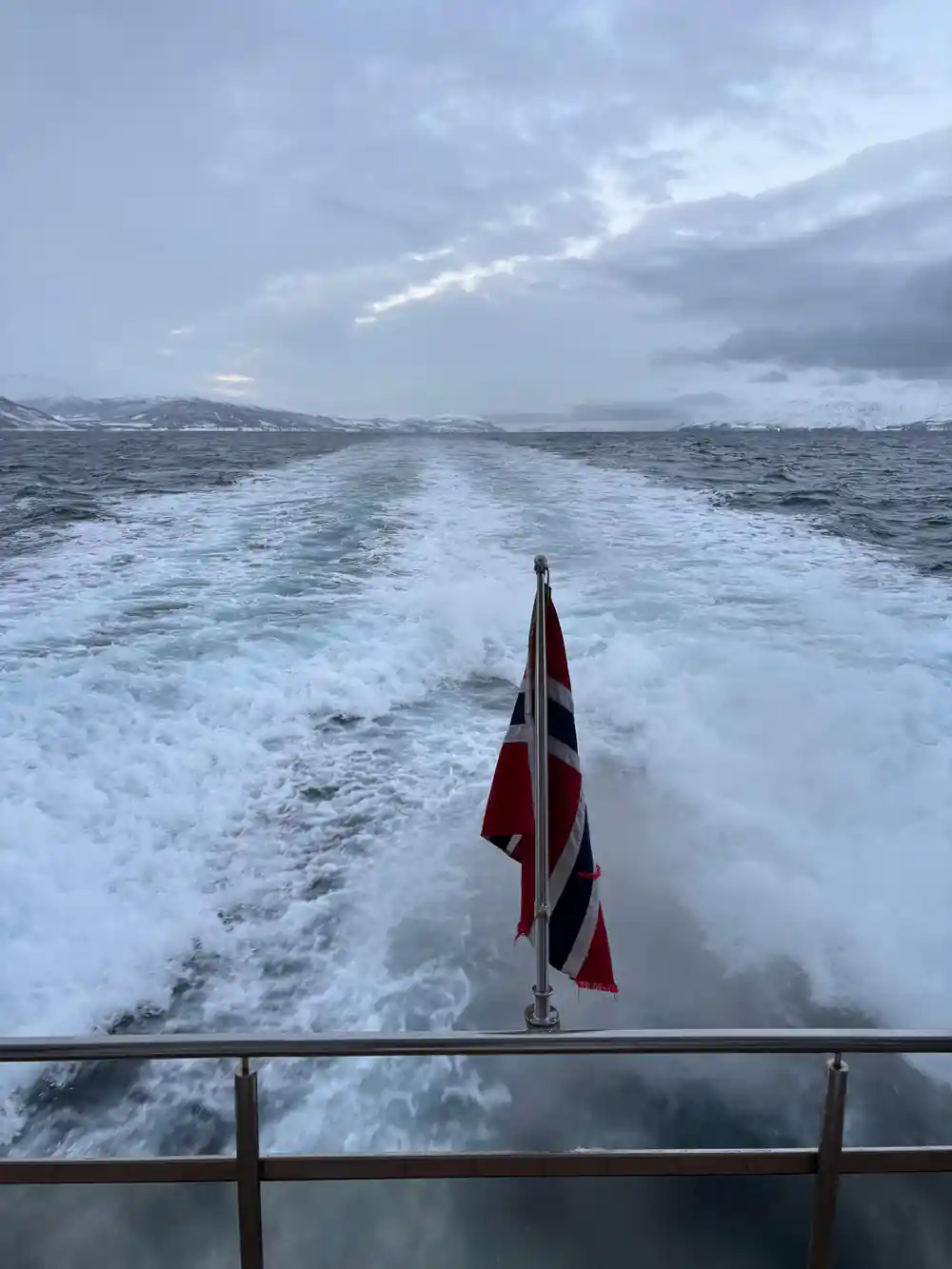
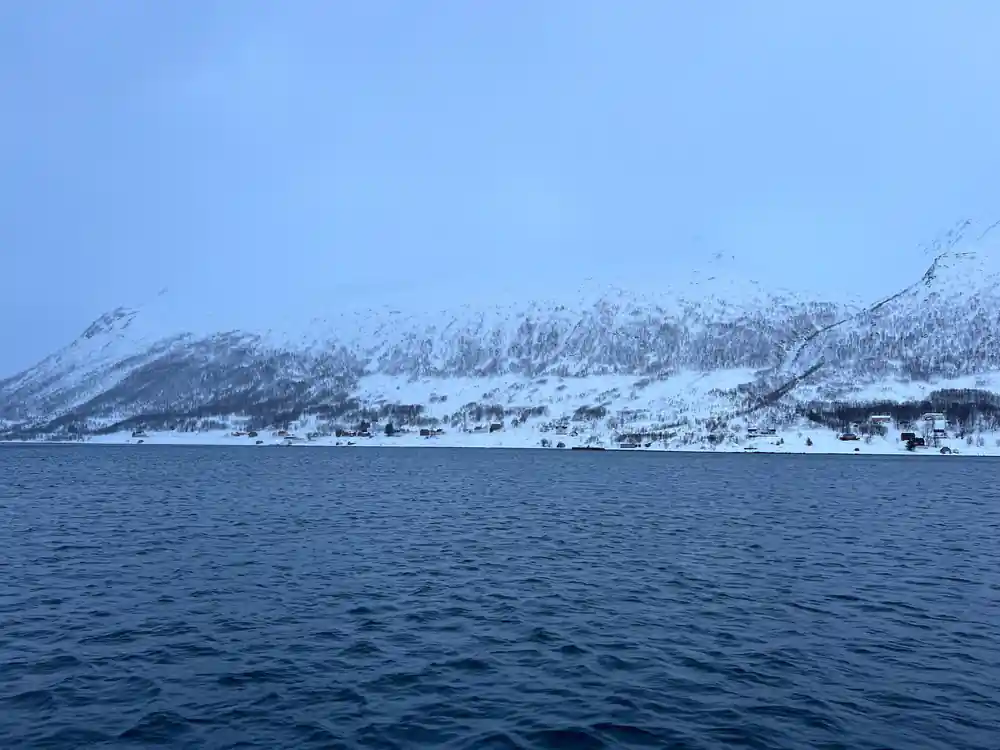
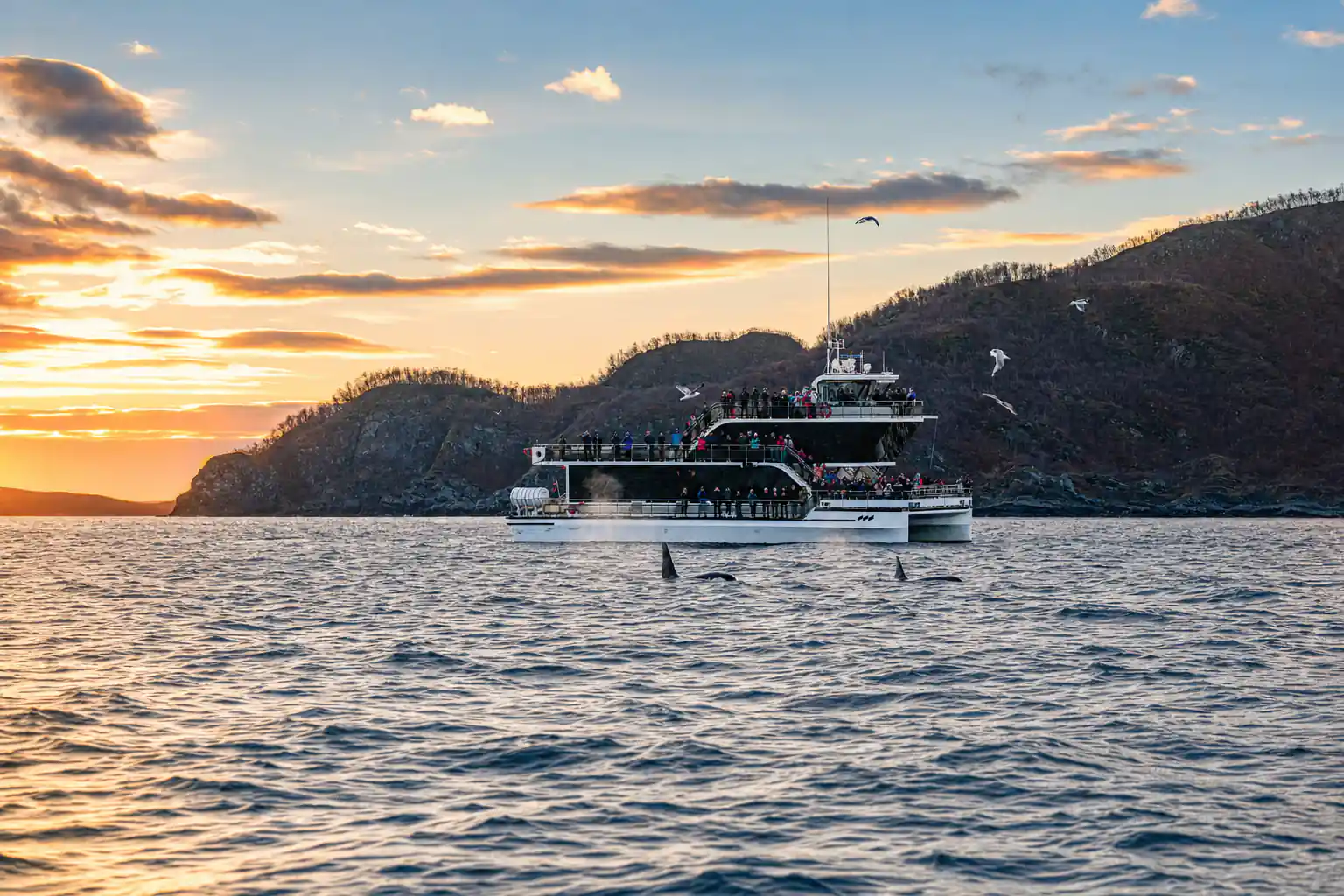
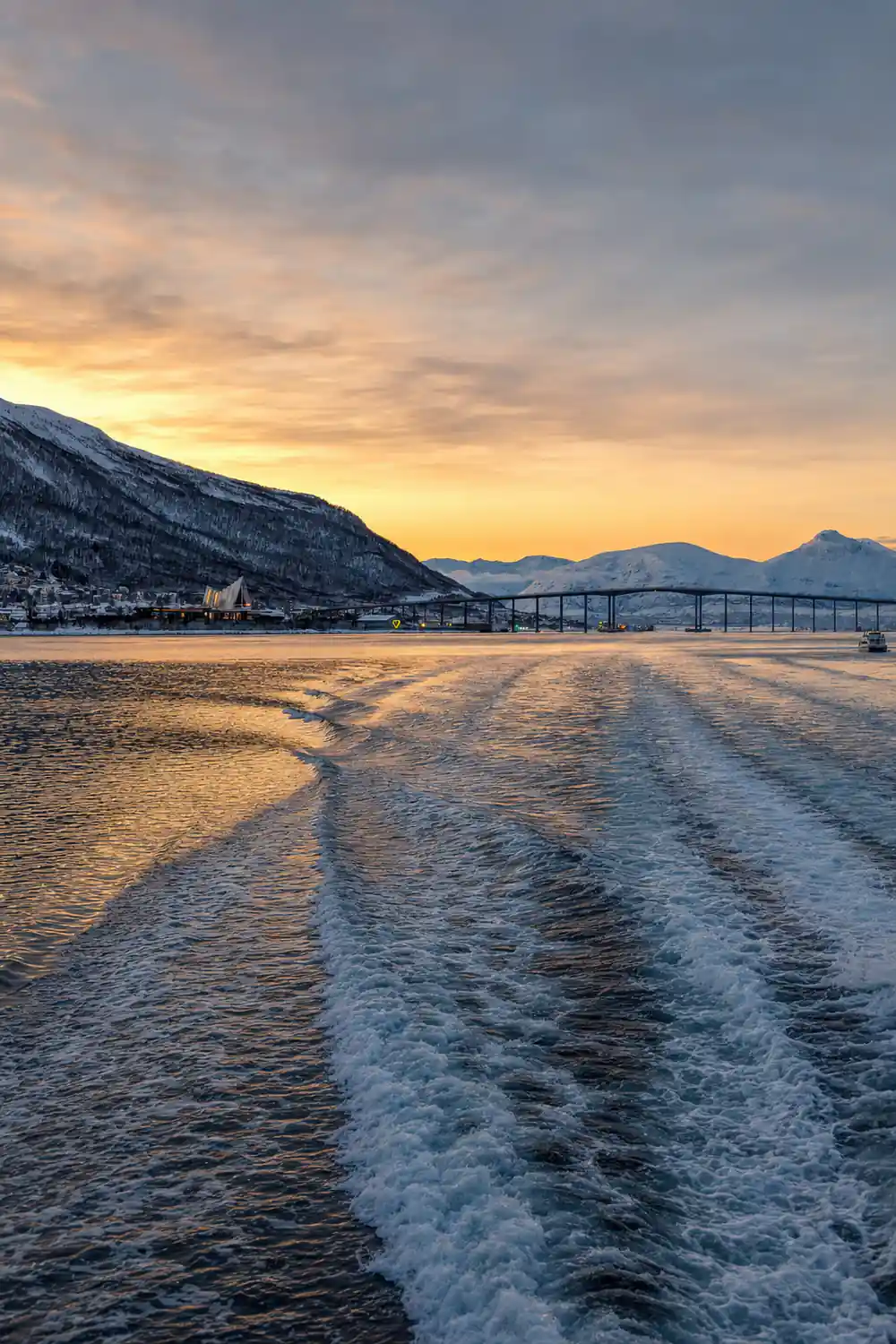
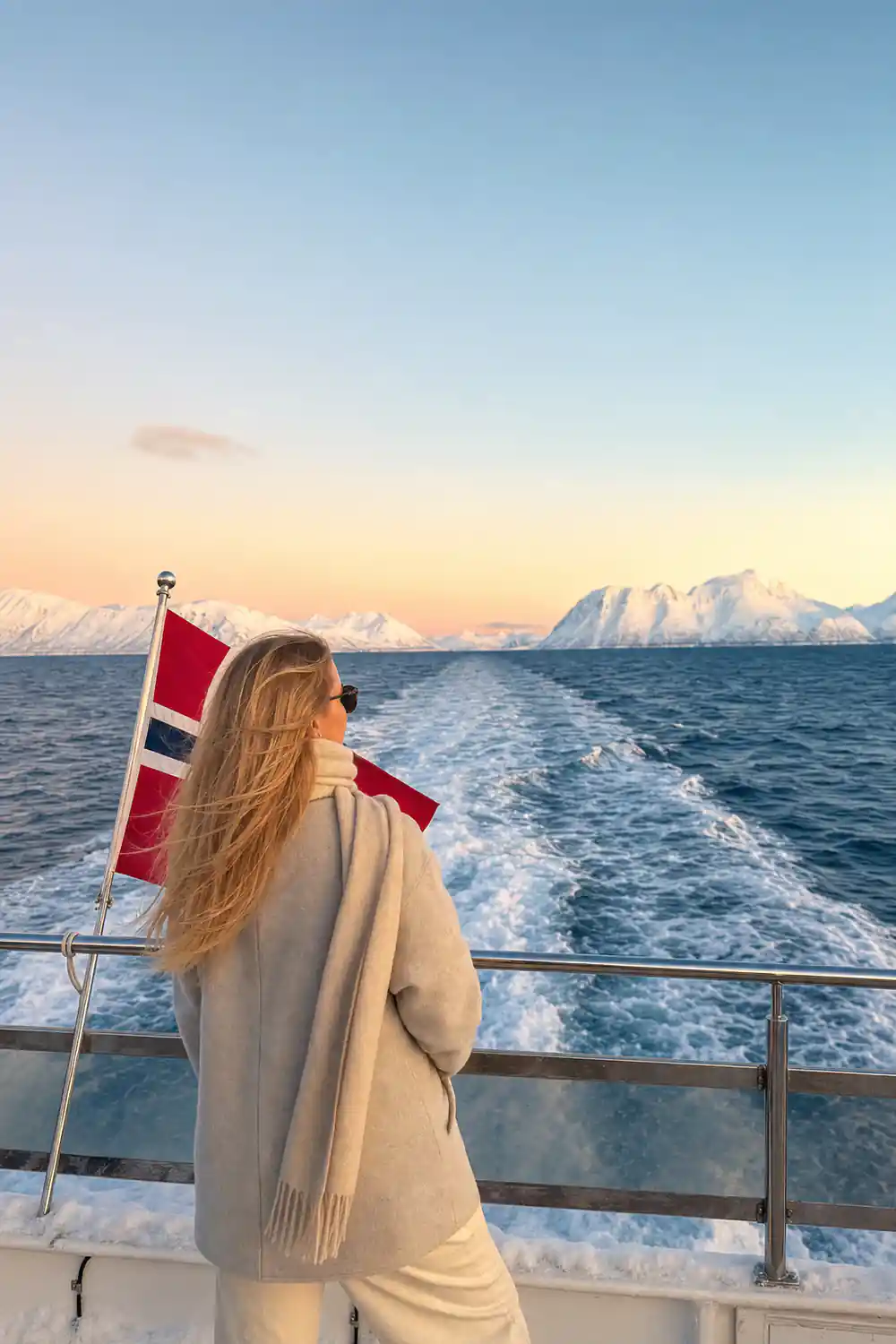
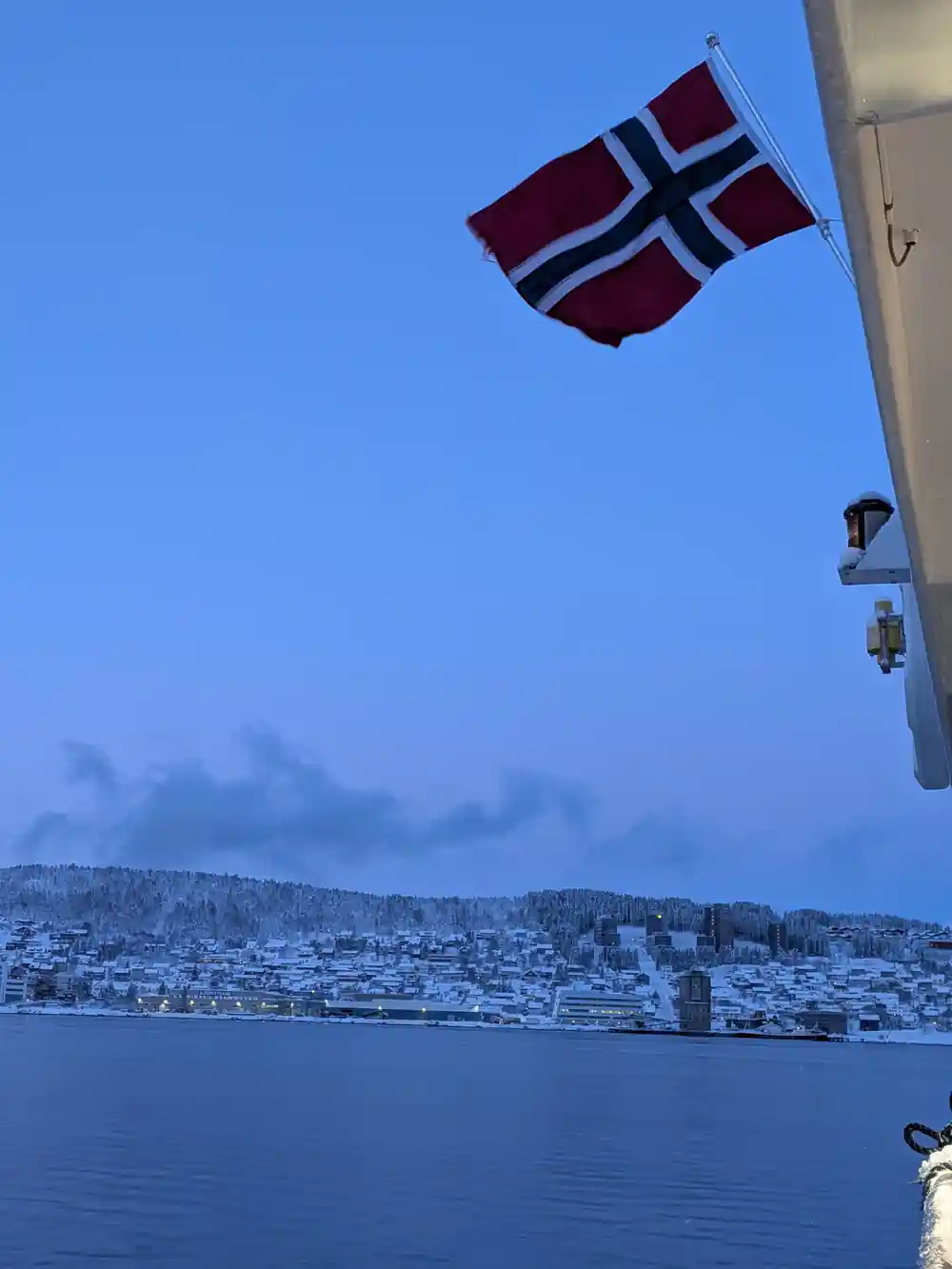
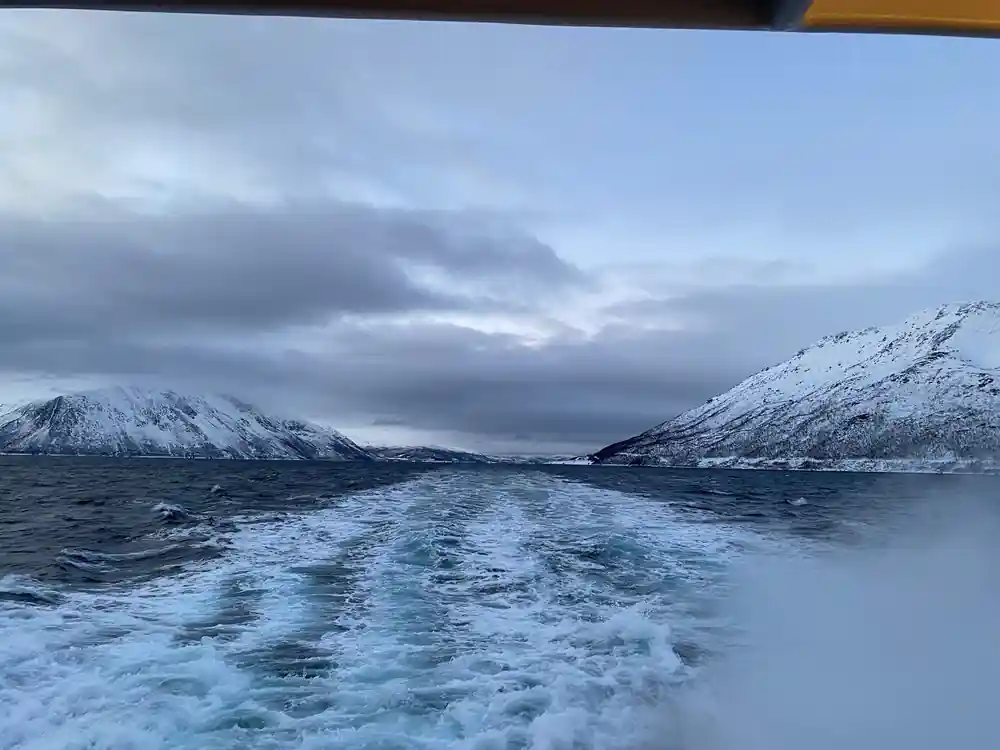
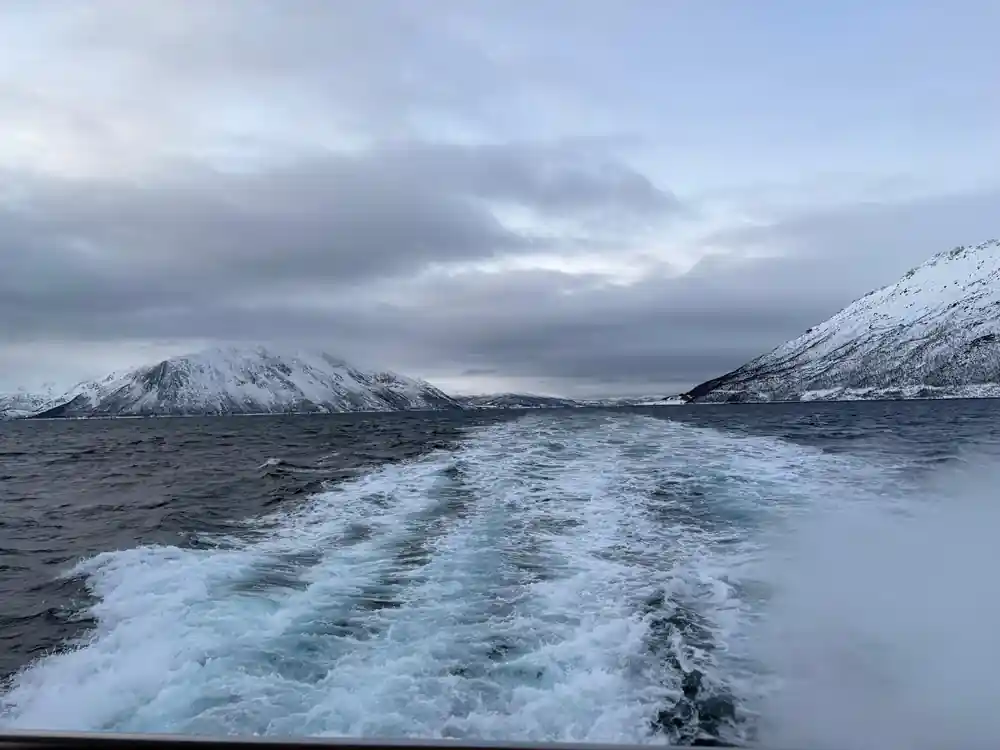
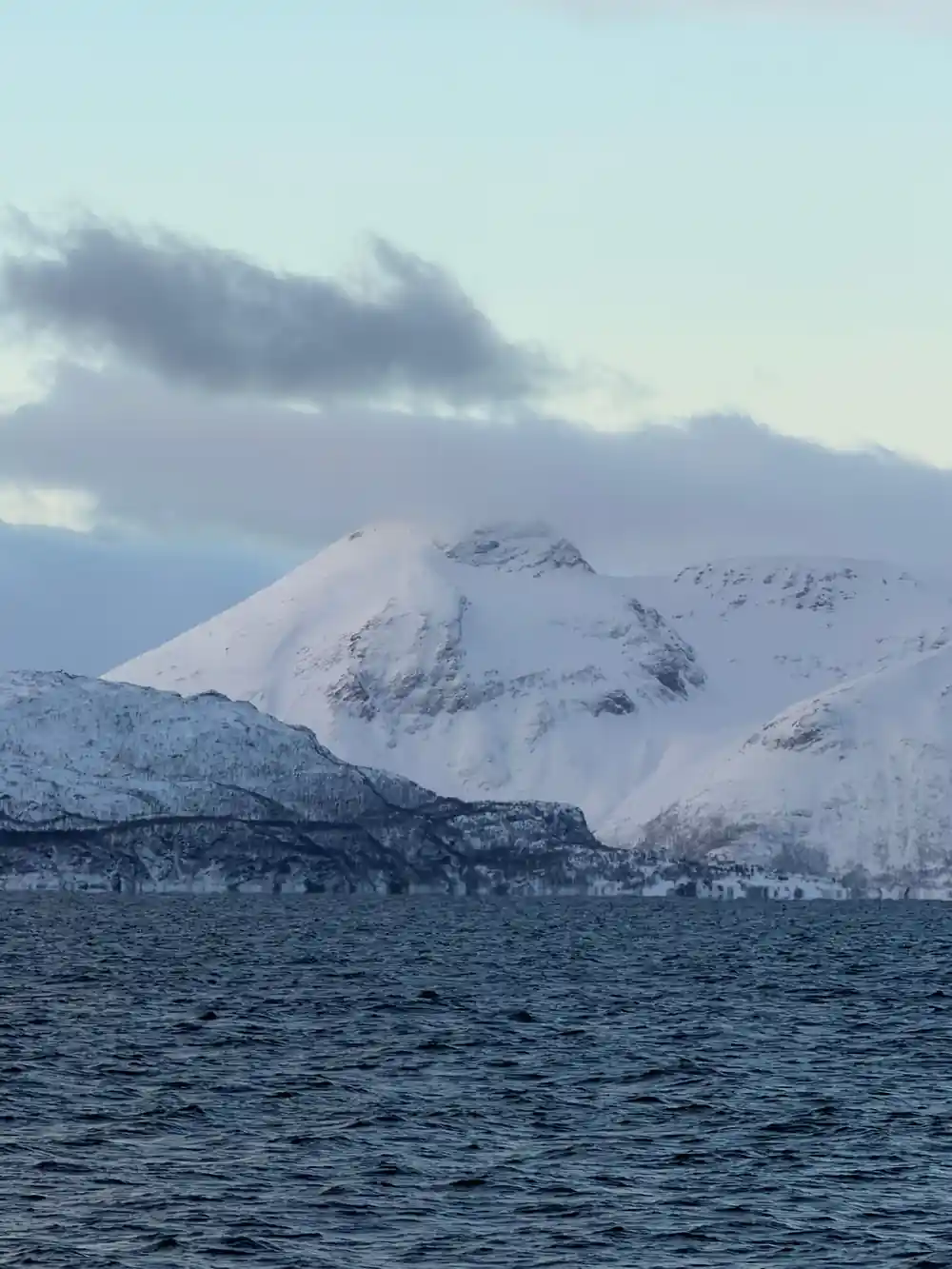
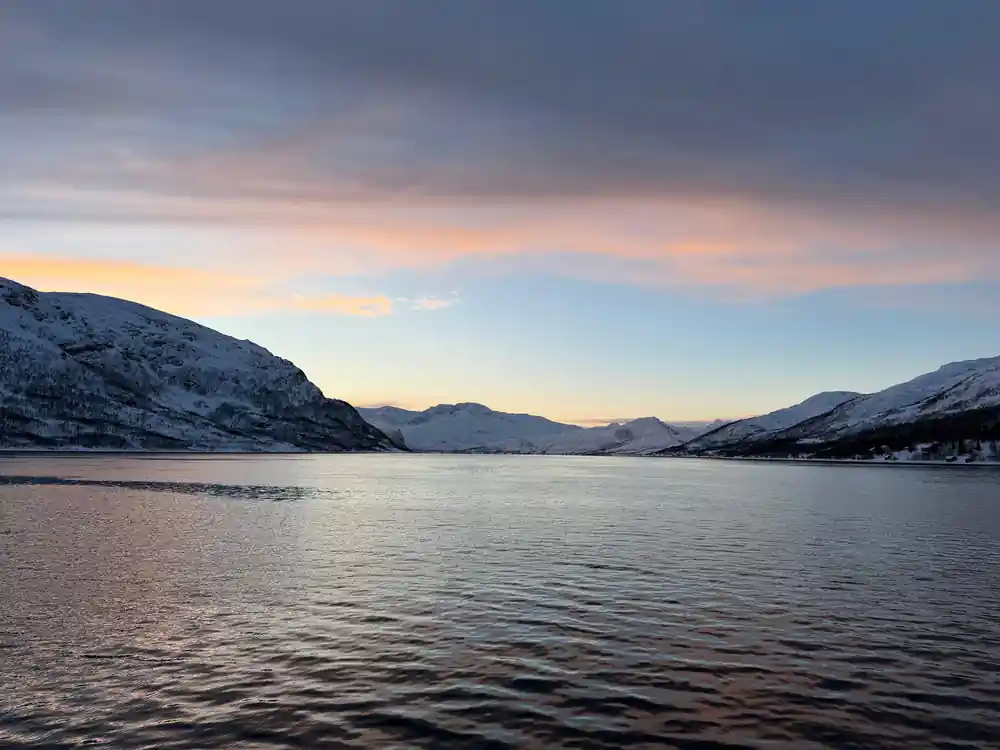
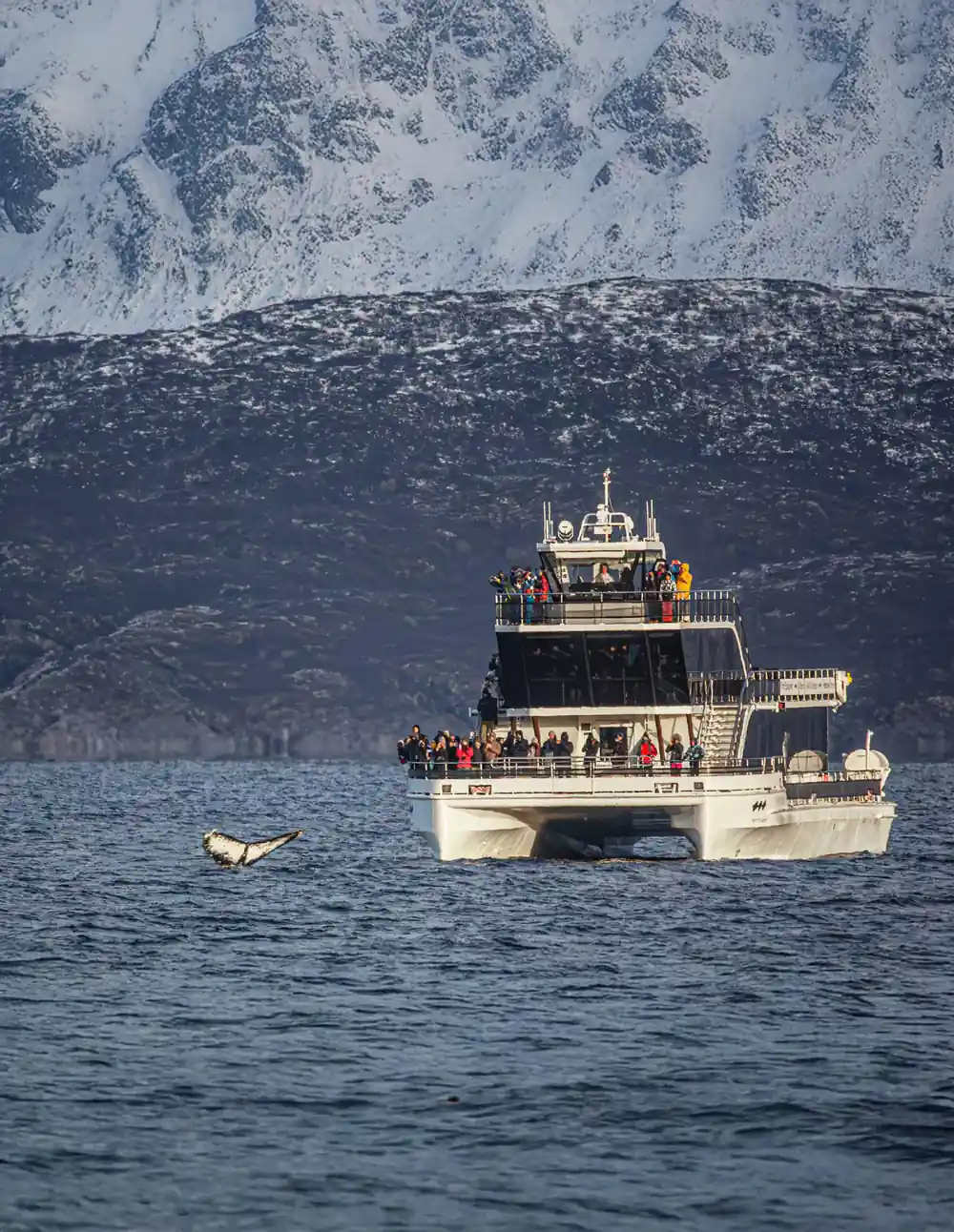
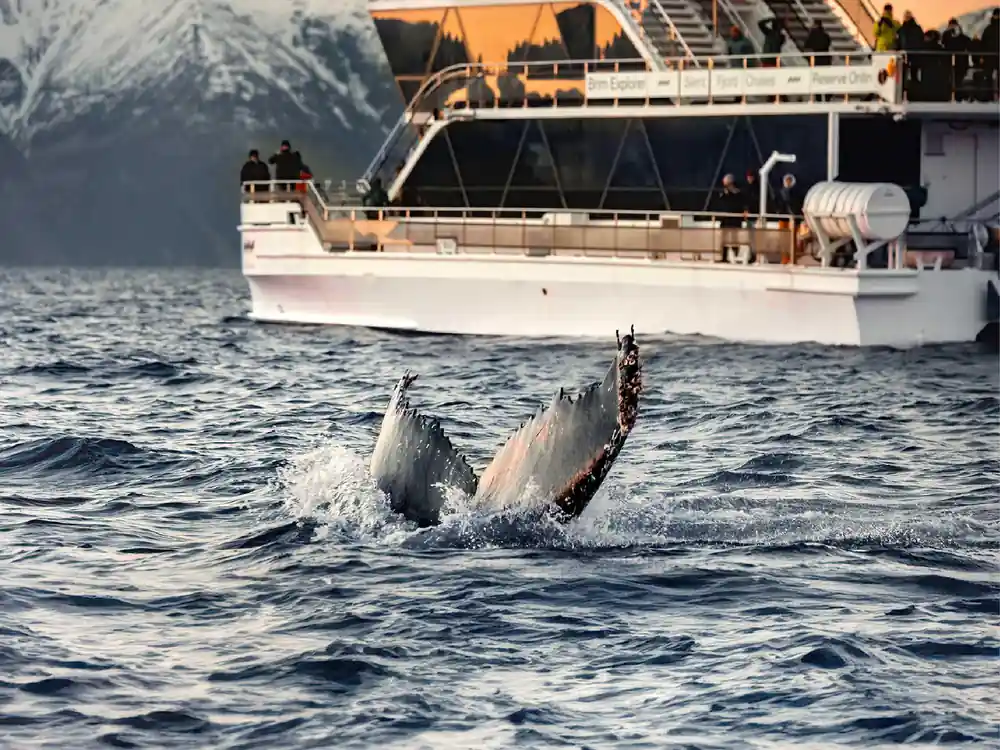
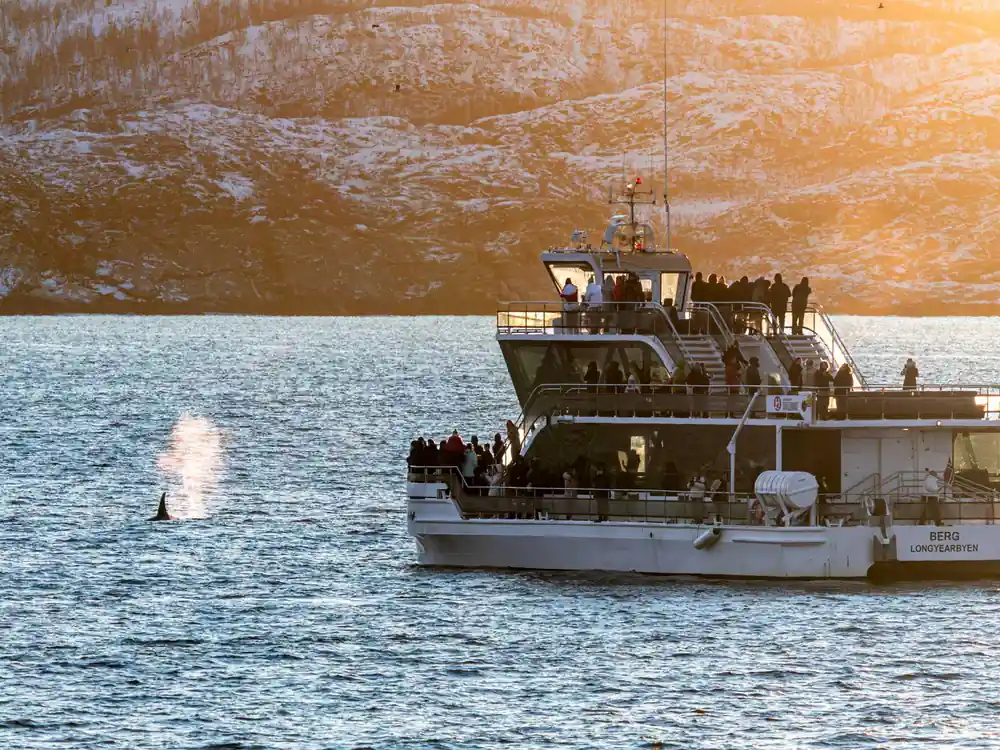
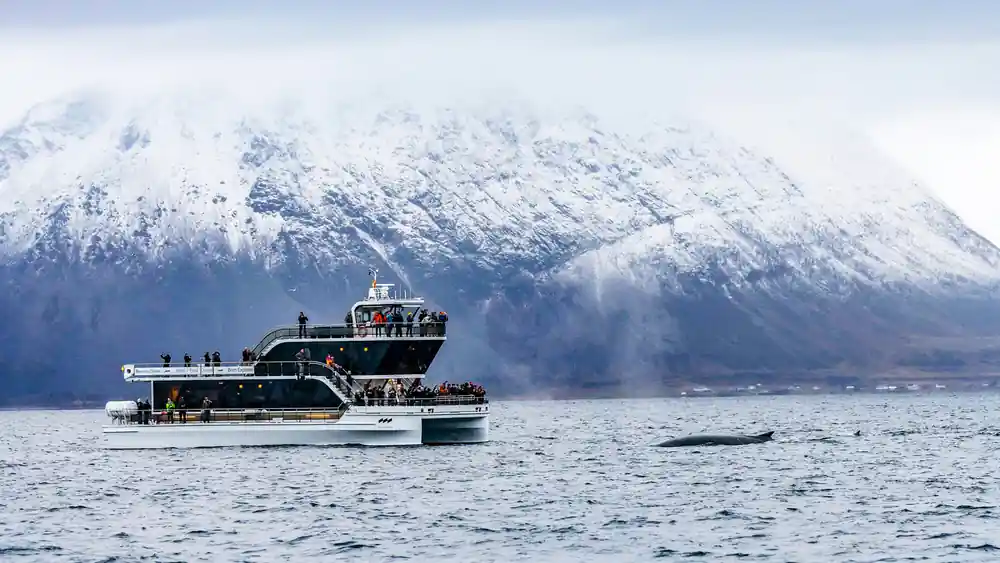
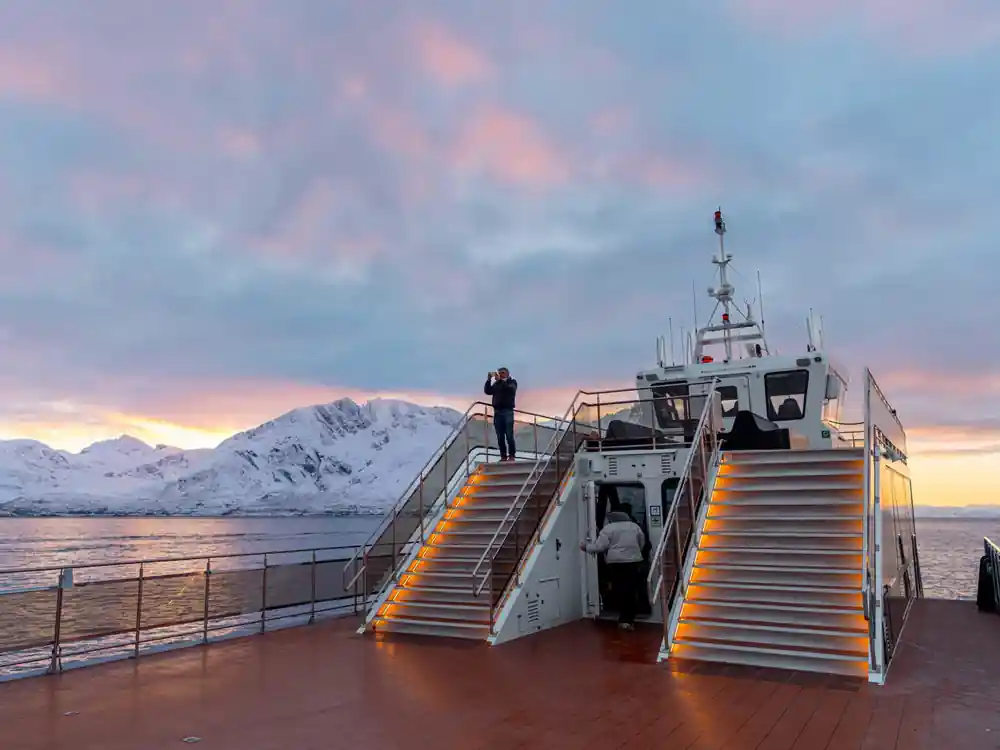
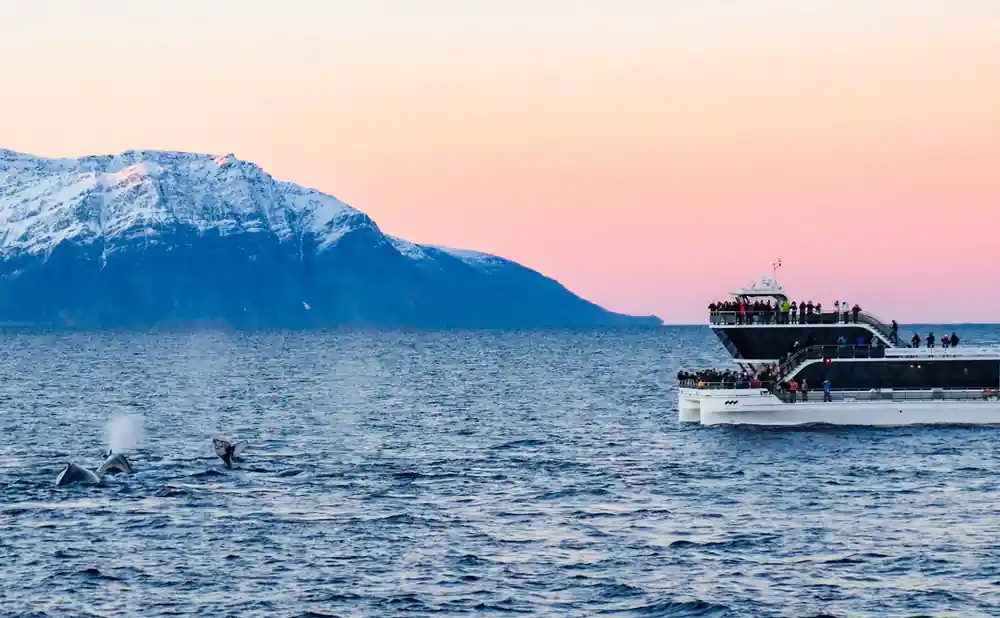
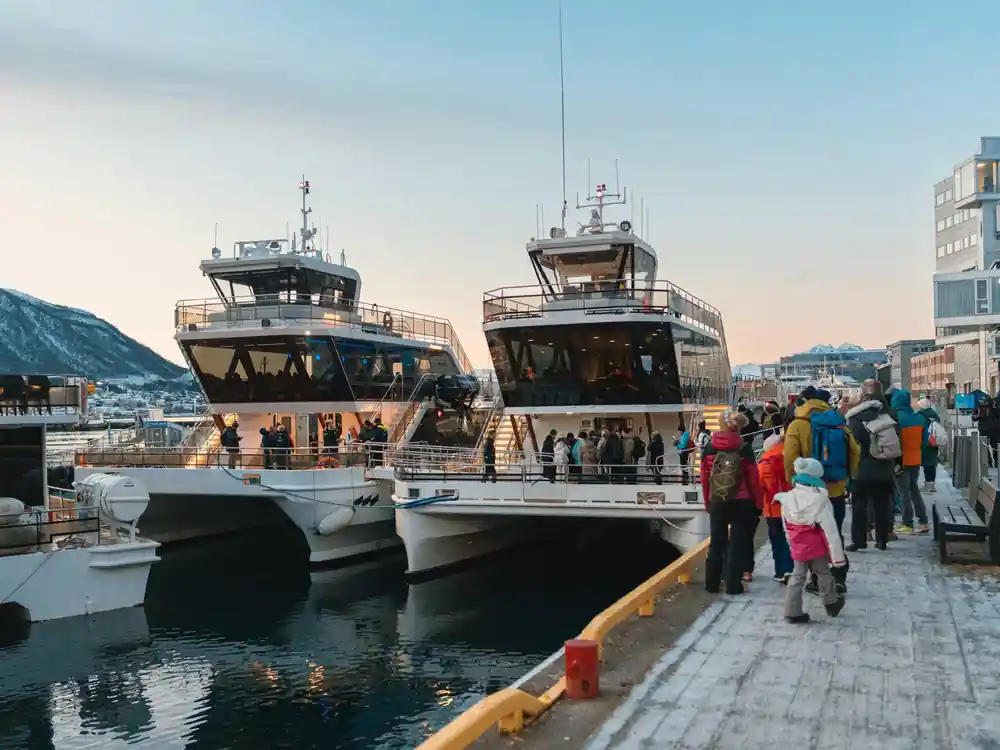
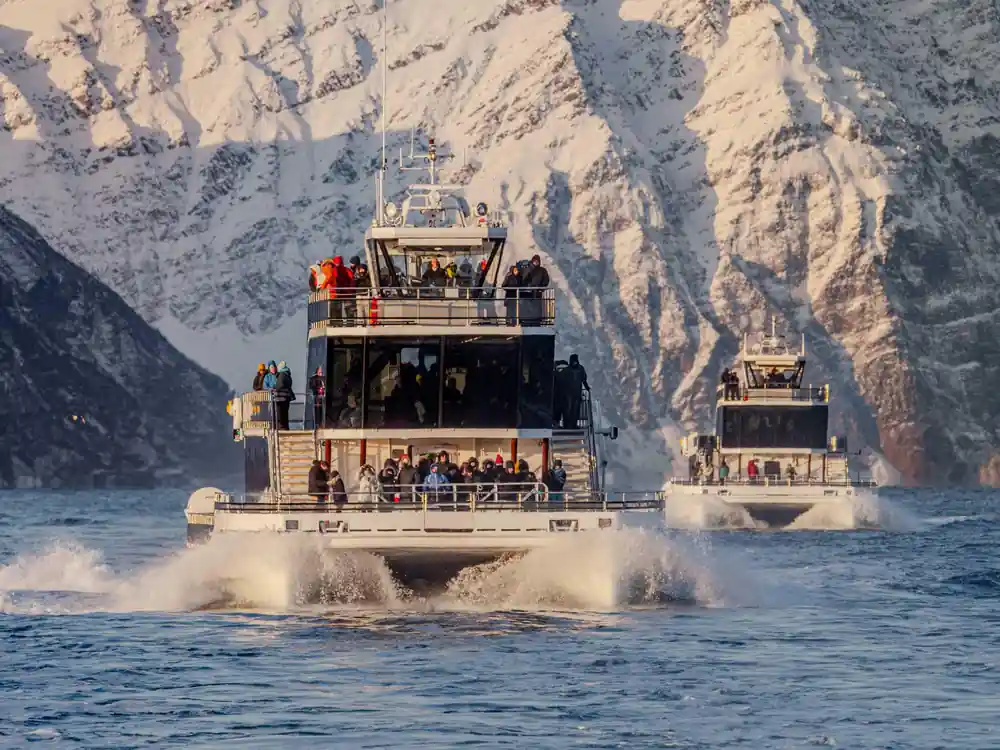
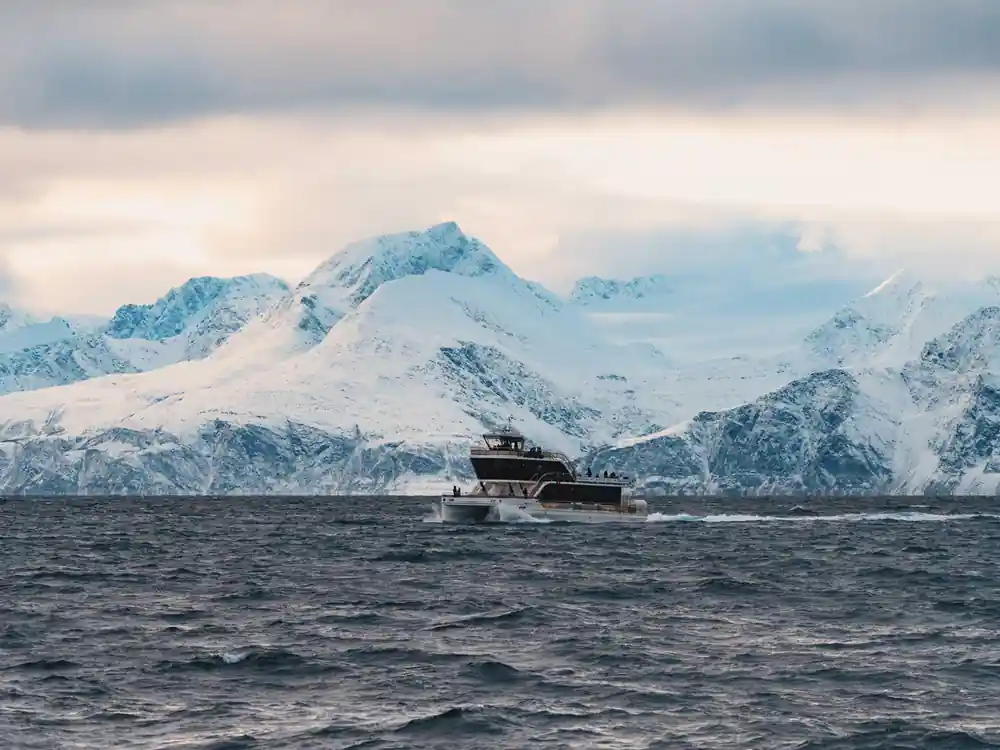
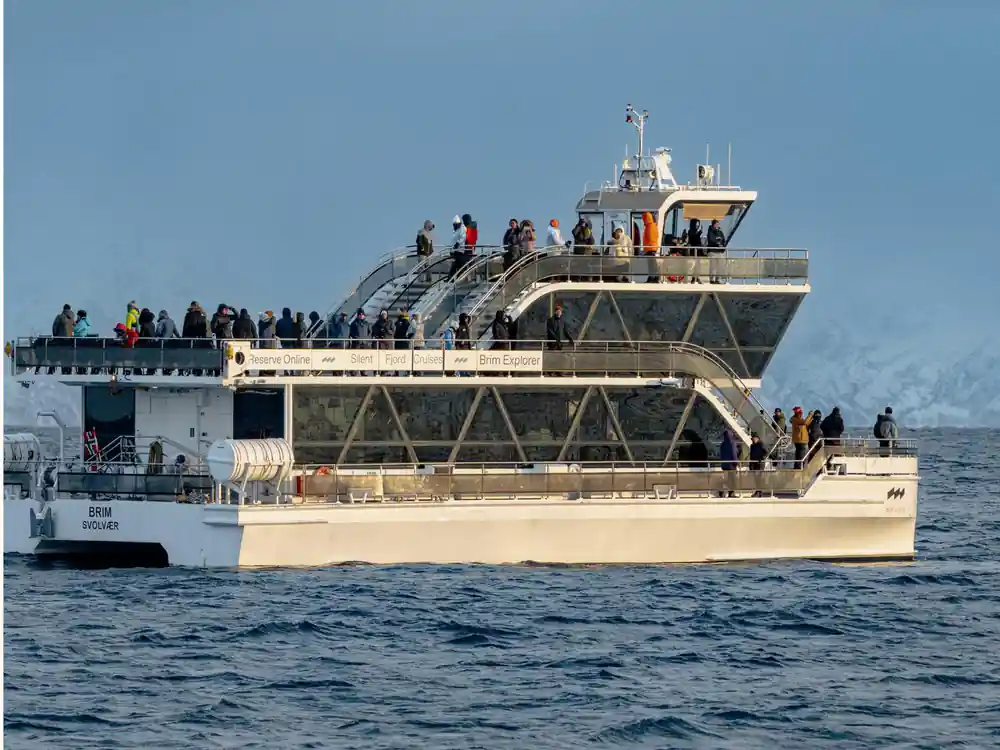
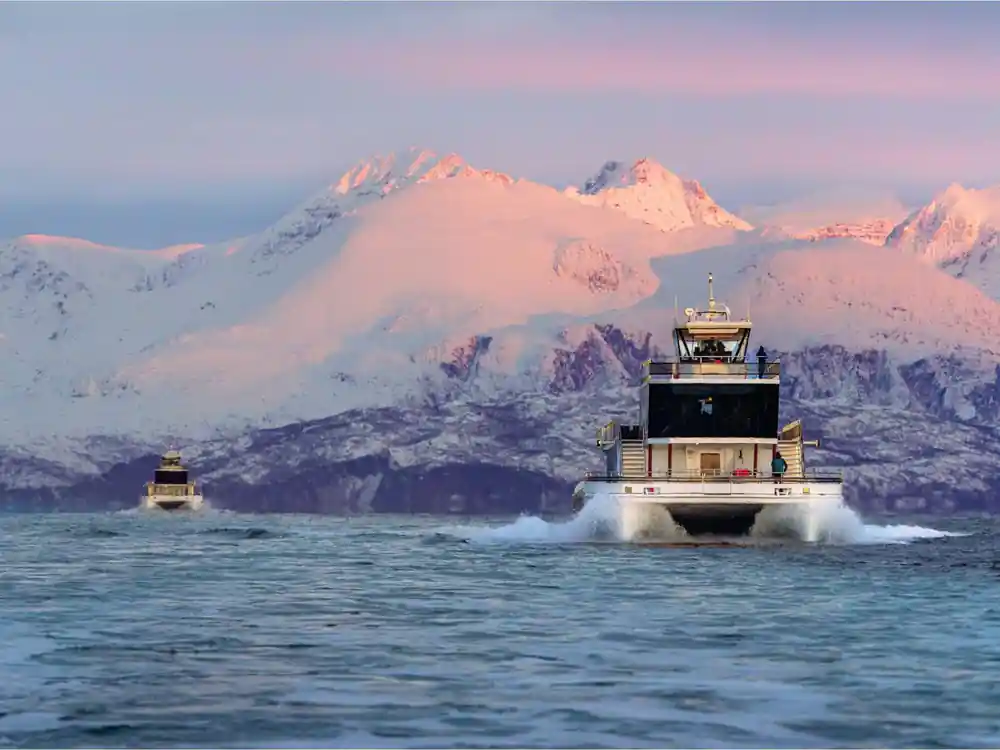
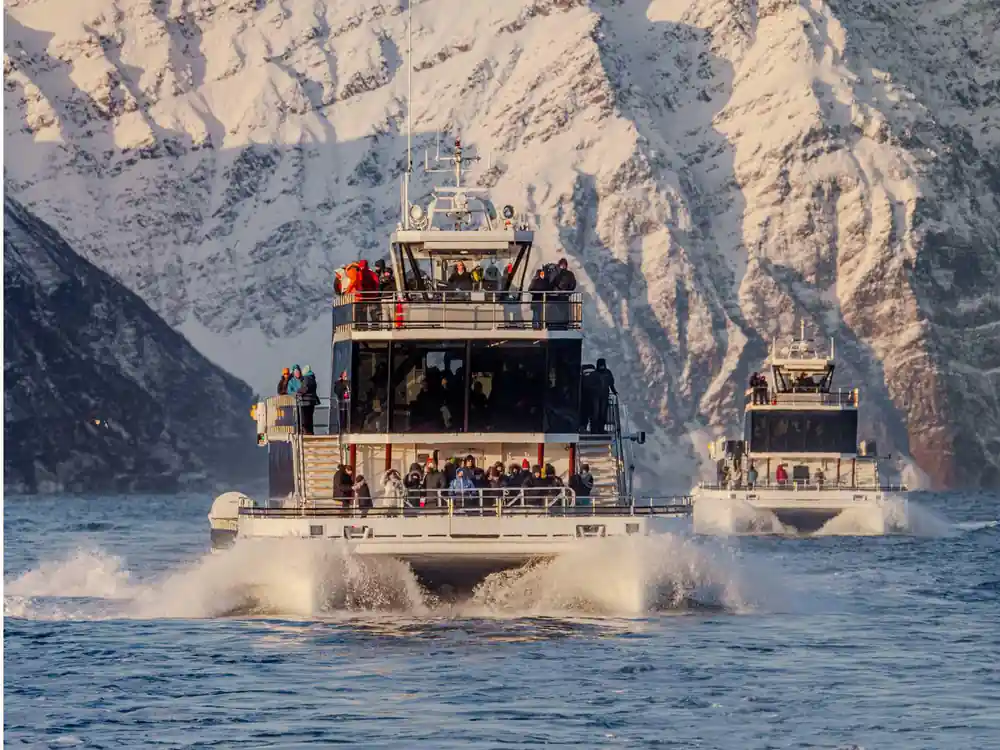
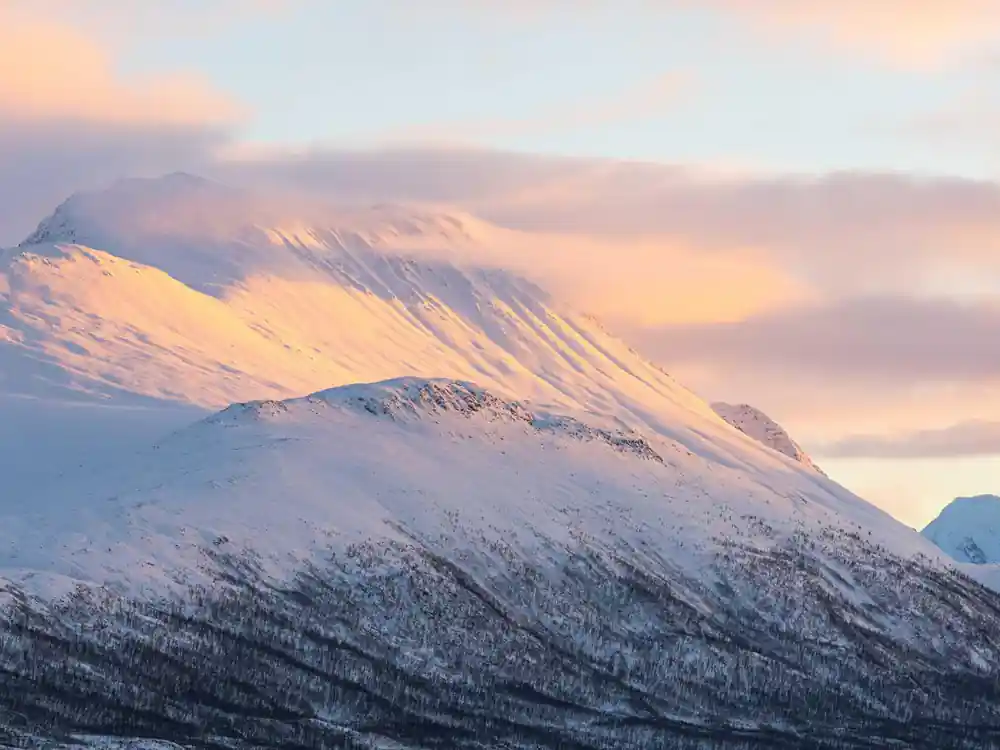
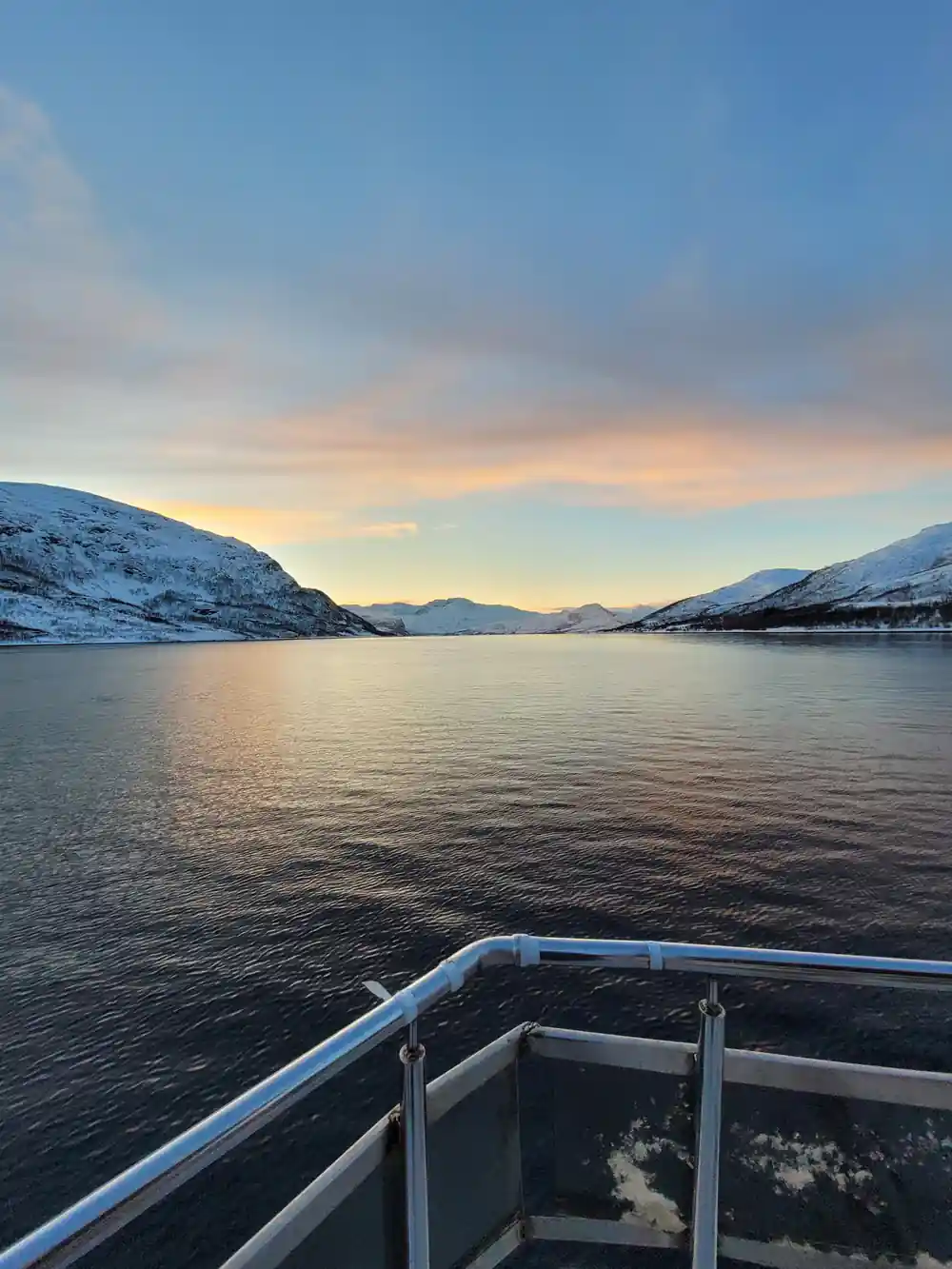
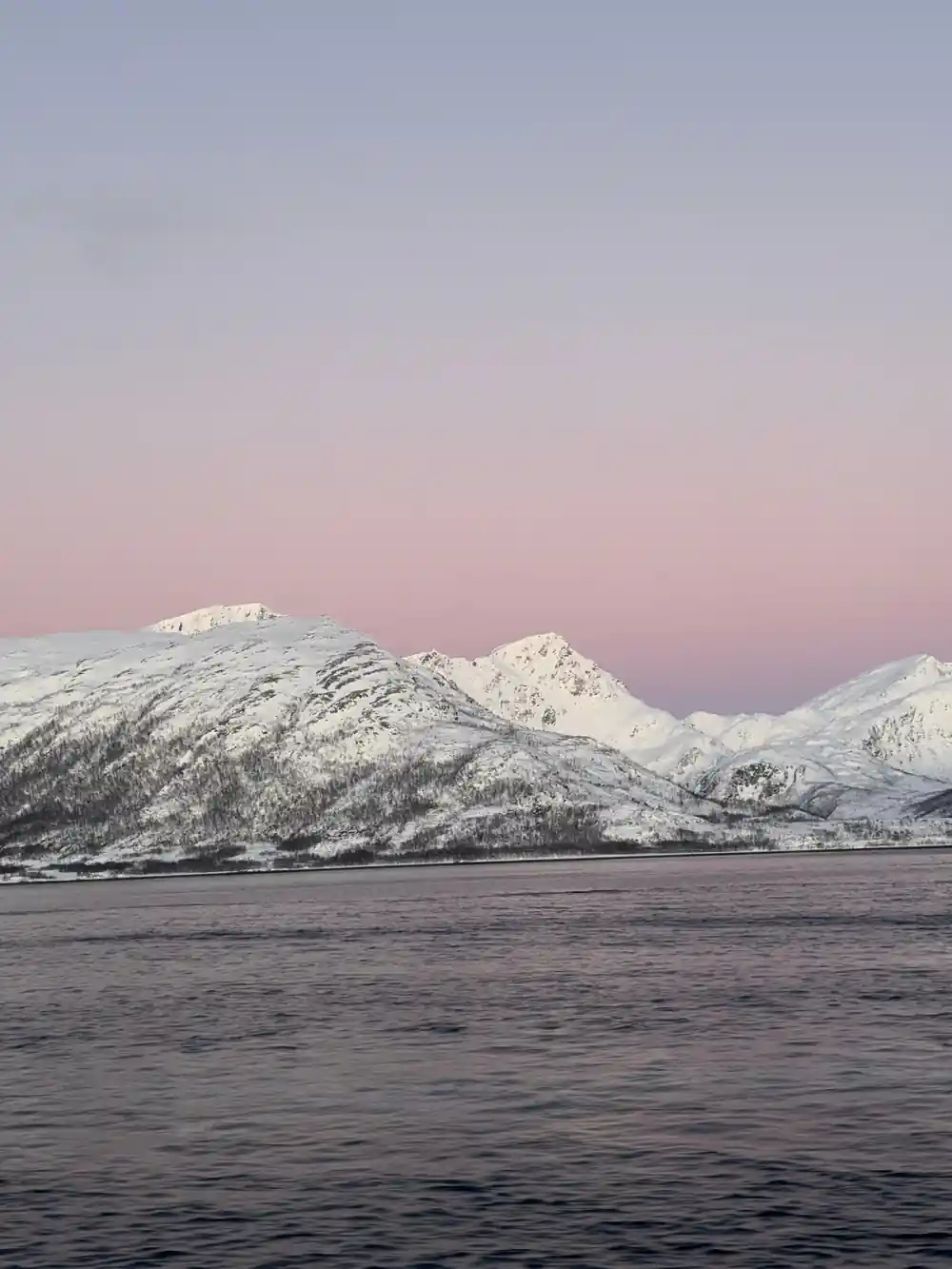
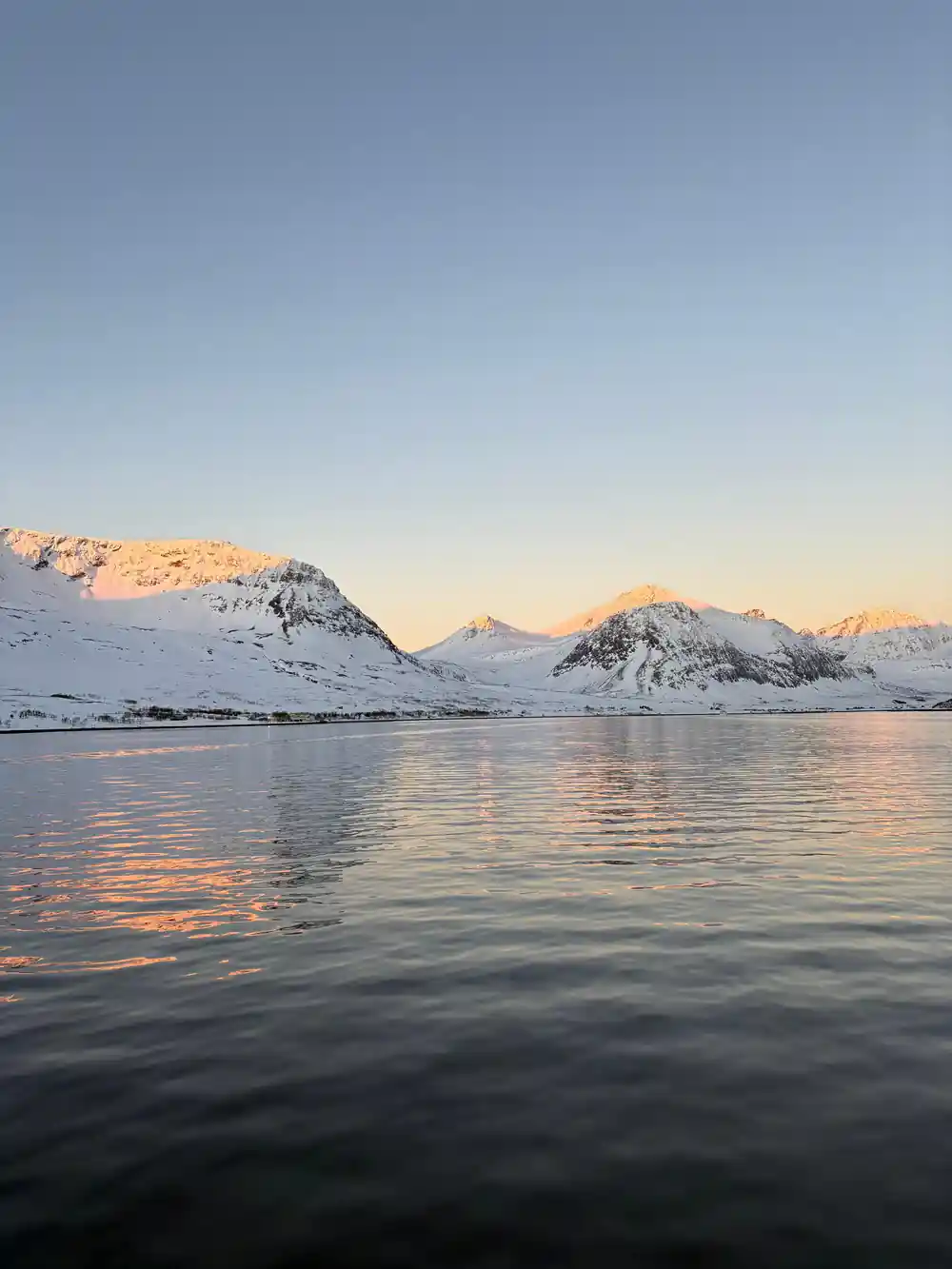
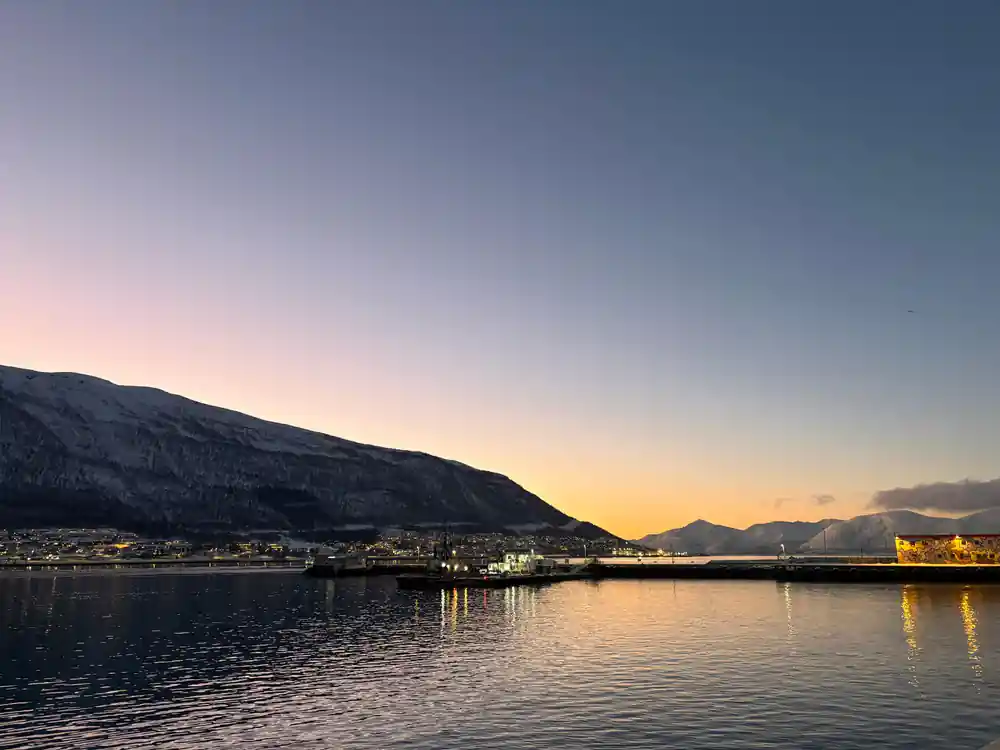
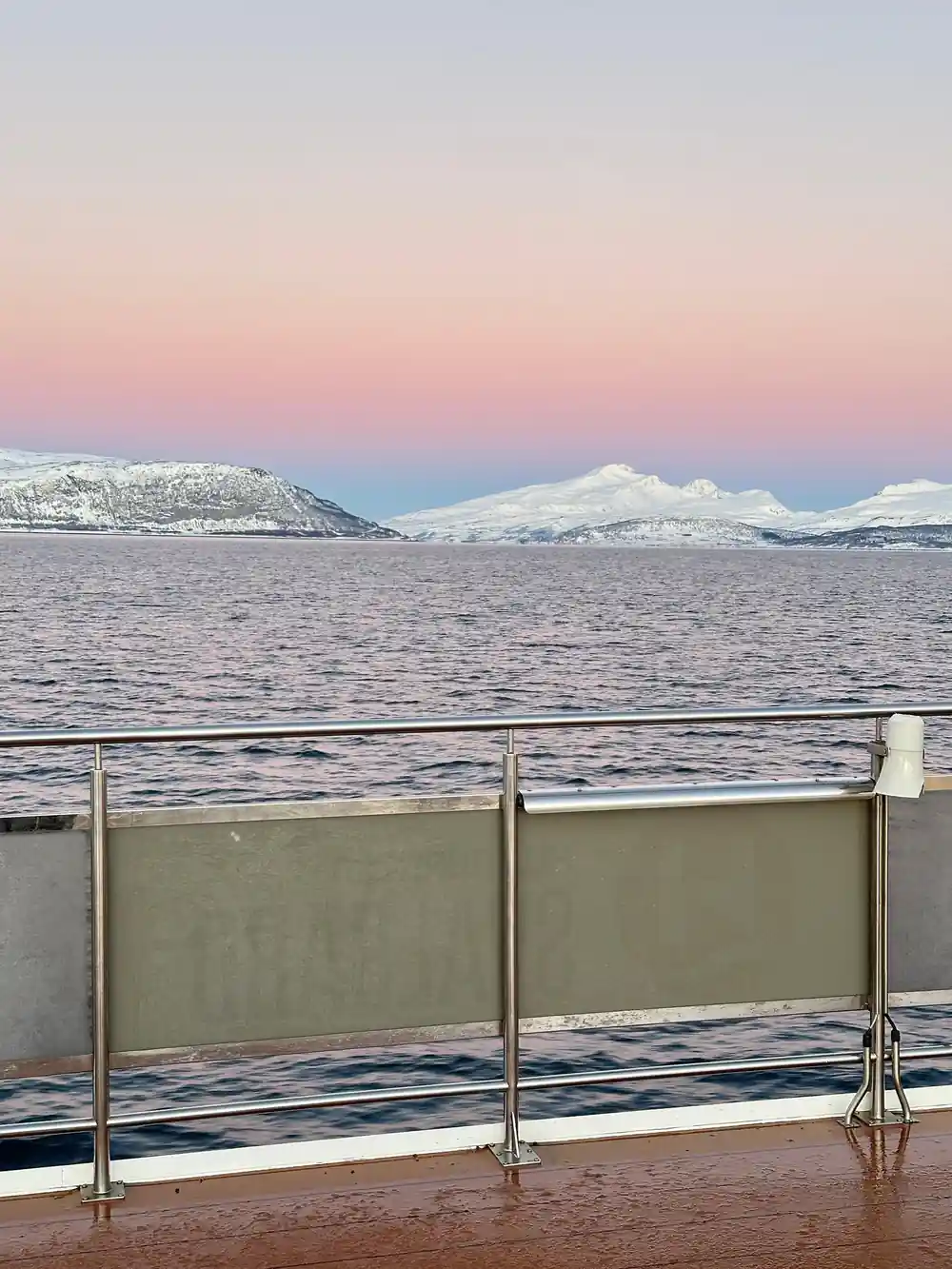
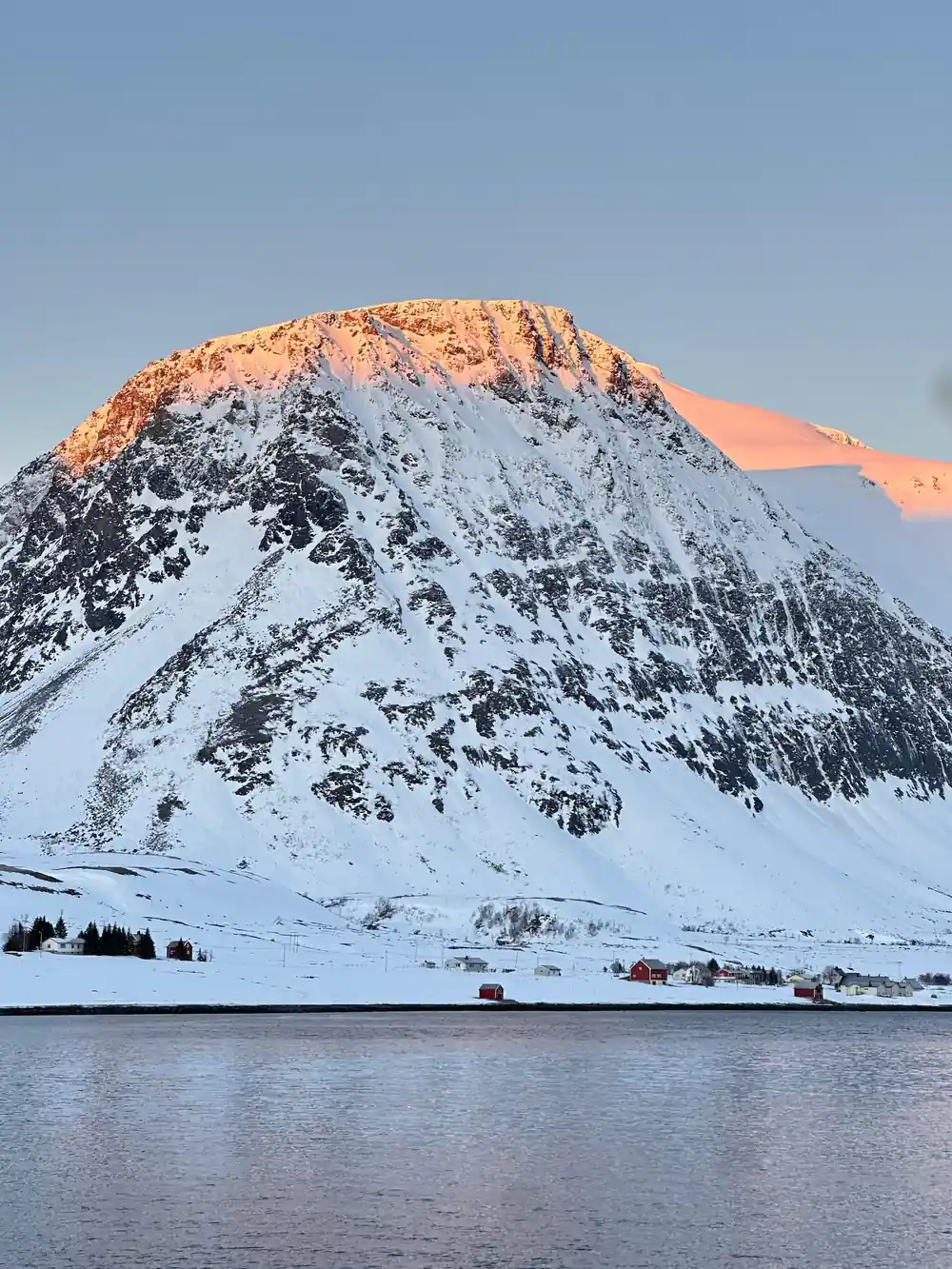
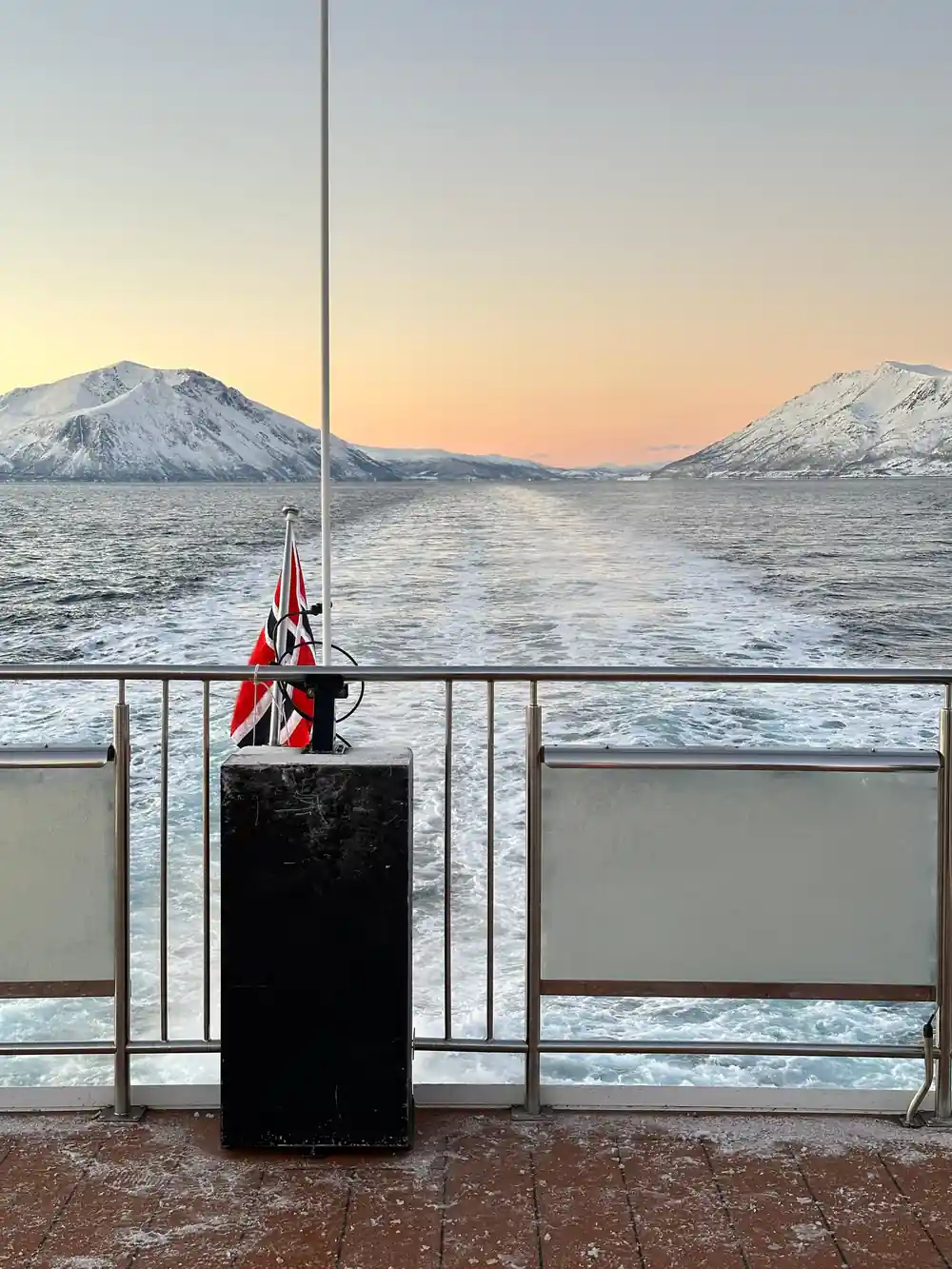
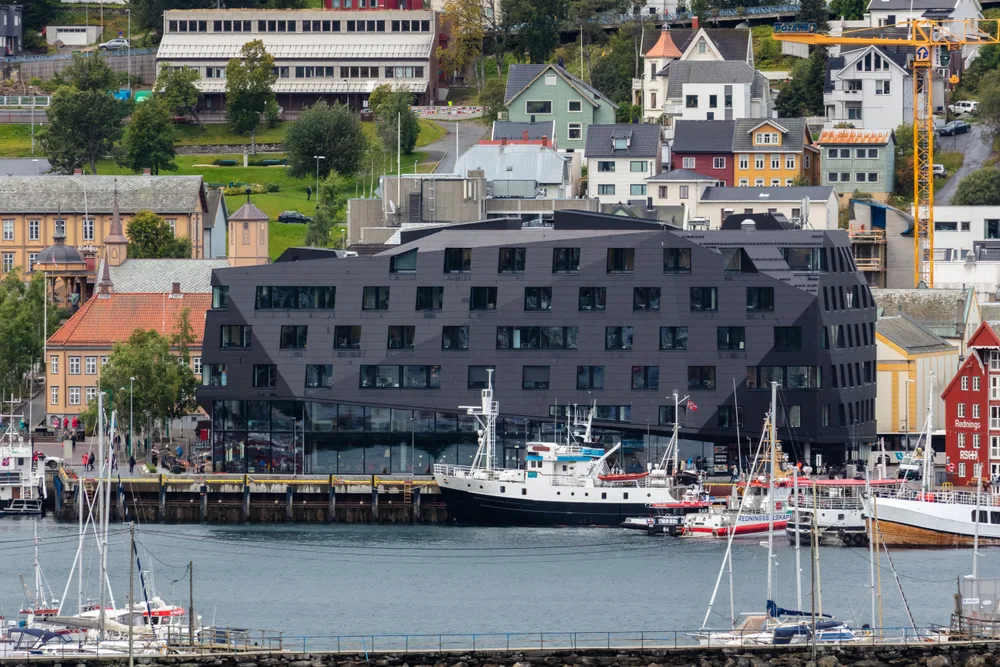
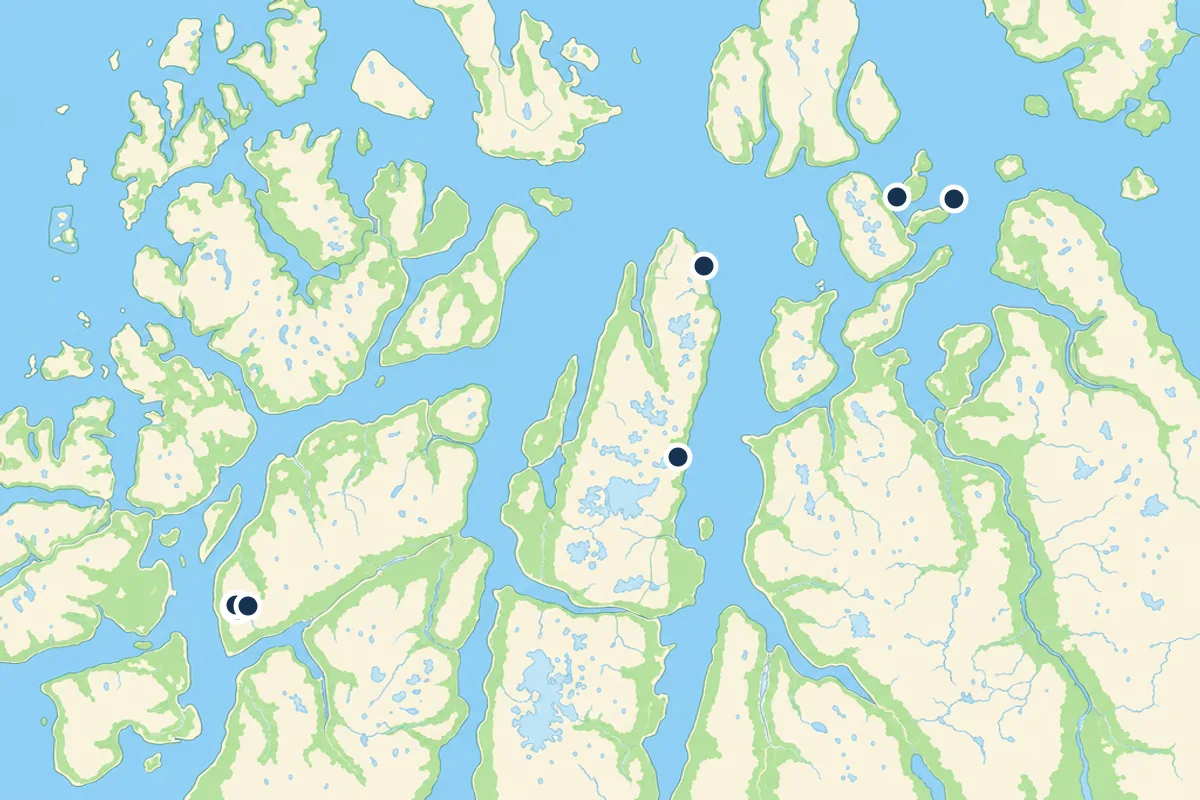
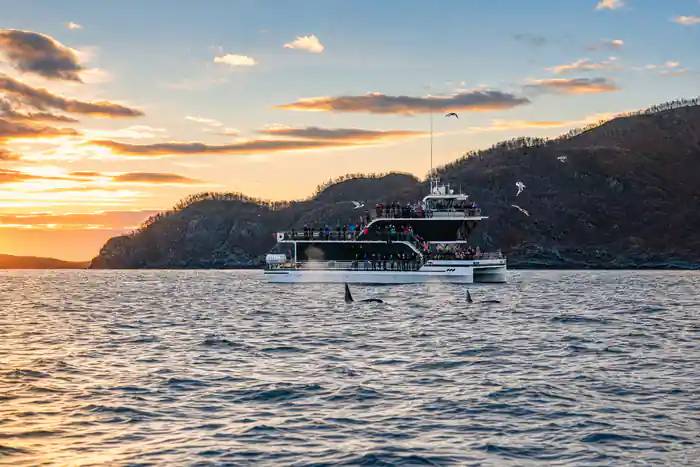
This is a 9-hour arctic whale tours experience departing from Tromsø, Norway's gateway to the Arctic. You'll travel across the fjords and open waters aboard a purpose-built hybrid-electric catamaran, a vessel engineered specifically for whale watching. The boat's silent electric mode allows you to approach whales with minimal disturbance, creating conditions for genuine encounters rather than fleeting glimpses. The journey takes you through some of Norway's most dramatic seascapes, passing the Lyngen Alps and stopping at six distinct locations including the iconic Arctic Cathedral and the Lighthouse Lyngstuva. This must do Tromsø adventure combines wildlife observation with respect for marine life, making it fundamentally different from standard boat tours that prioritize speed over animal welfare.
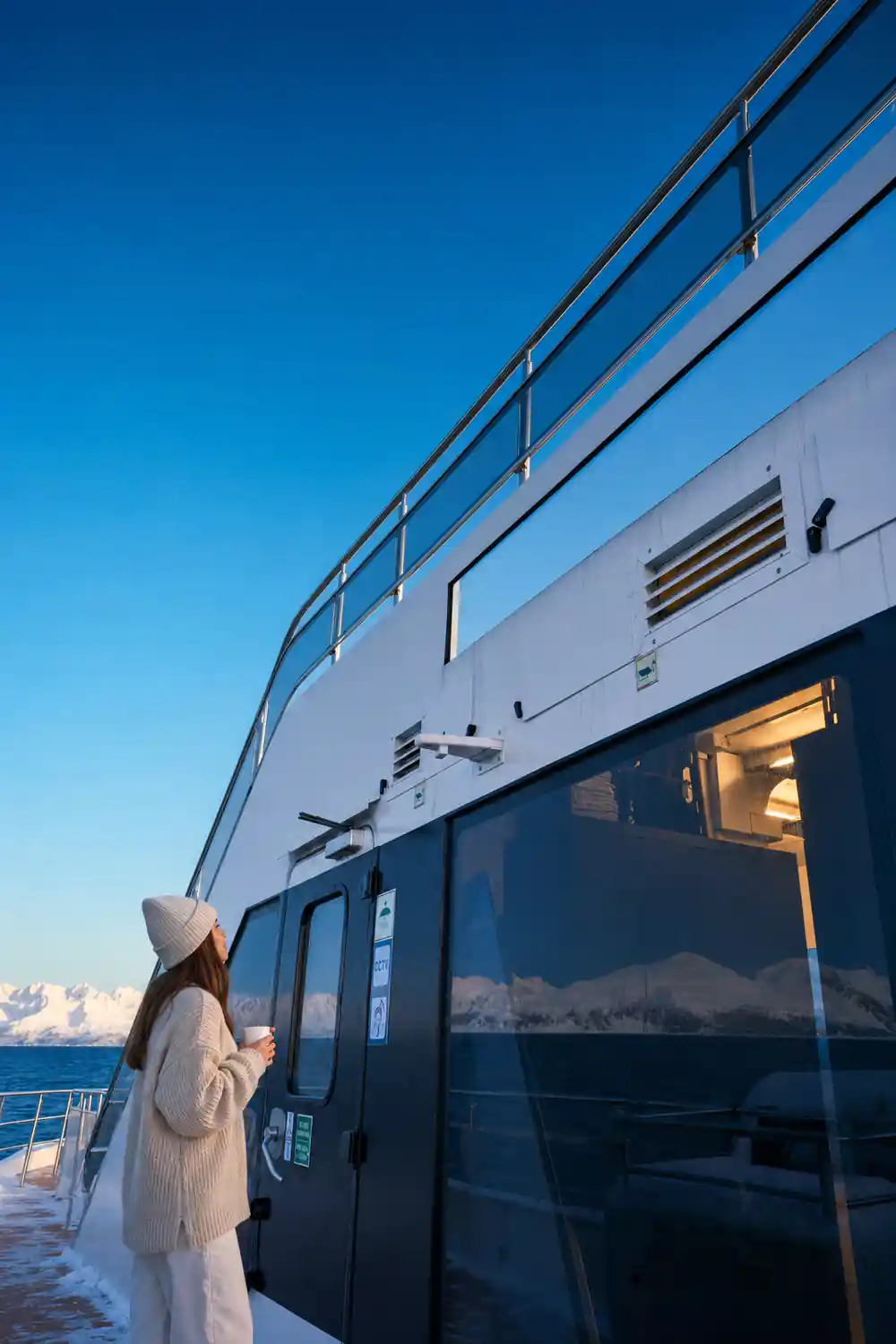
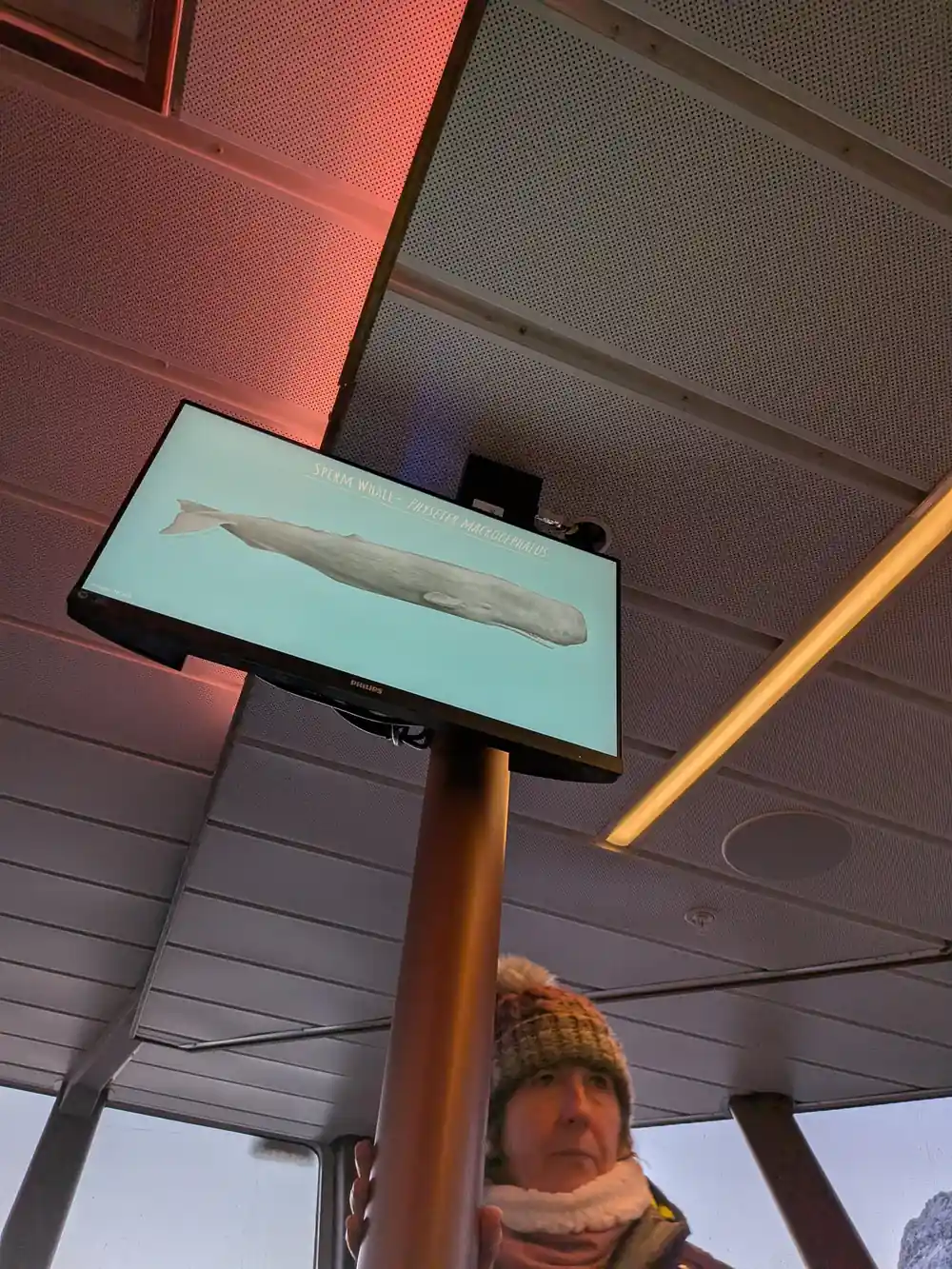
The hybrid-electric design means you experience the Arctic in near silence when the boat switches to electric power. This technology allows whales to remain undisturbed by engine noise, and it allows you to hear the sounds of the ocean and wildlife around you. The catamaran's width and stability mean the vessel handles Arctic waters smoothly, reducing motion discomfort during the extended outing. Experienced whale watching guides lead the tour, positioning themselves to spot cetaceans while sharing knowledge about their behaviour, migration patterns, and the ecosystem they inhabit. The boat stops at meaningful locations between whale watching periods, breaking up the day and offering perspective on the region's geography and culture.
What whales and marine life will you actually see?
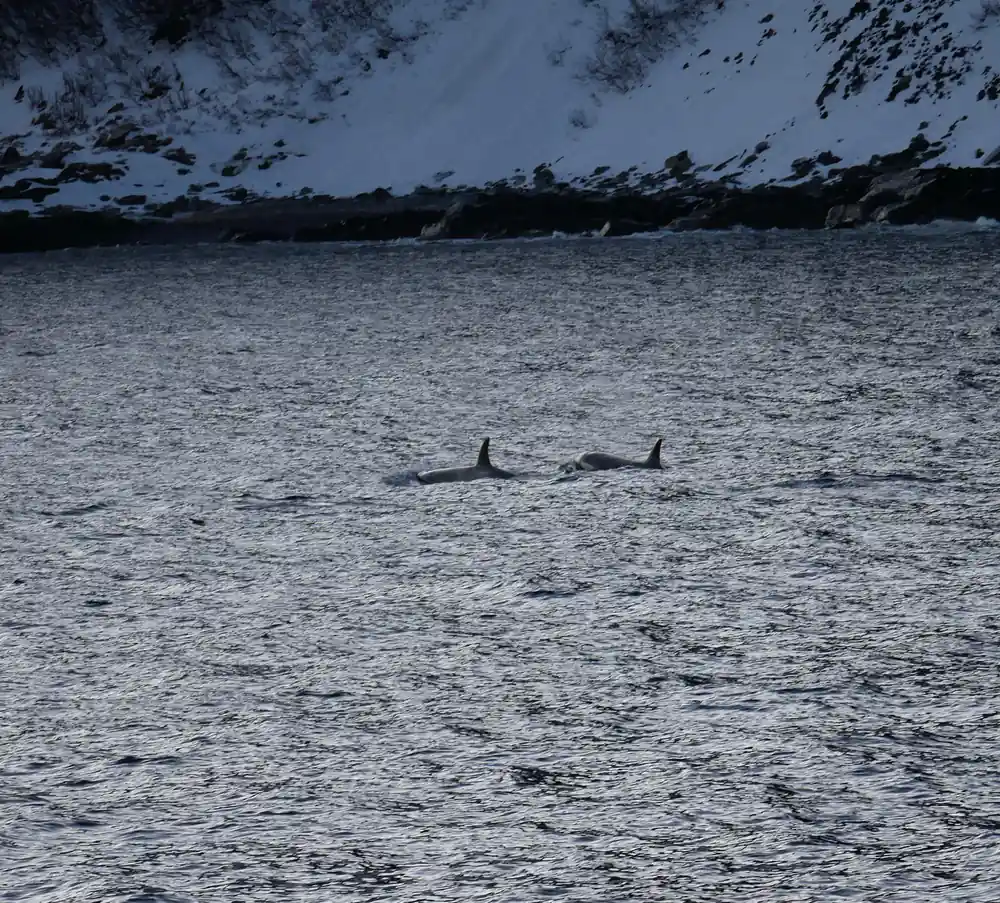
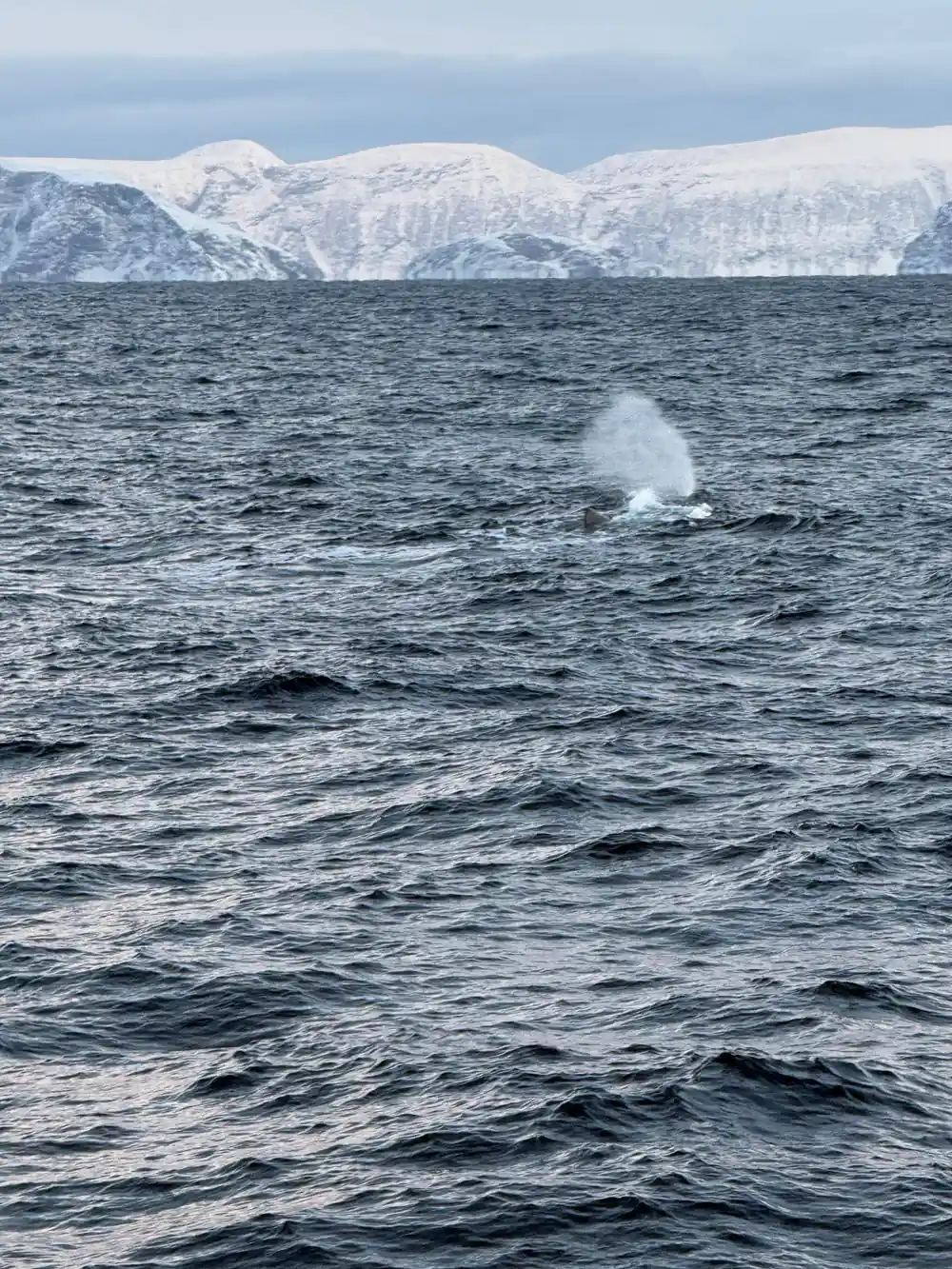
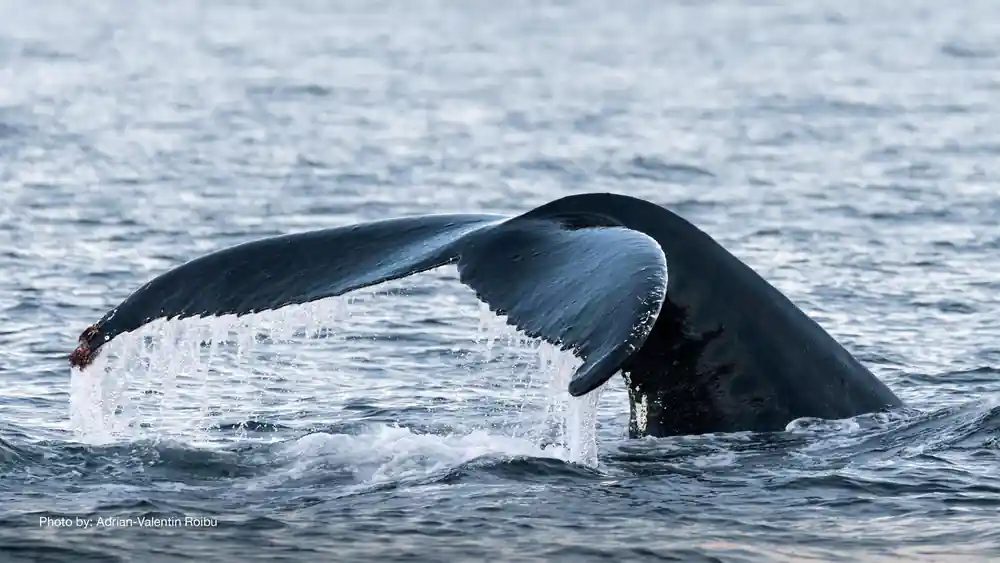
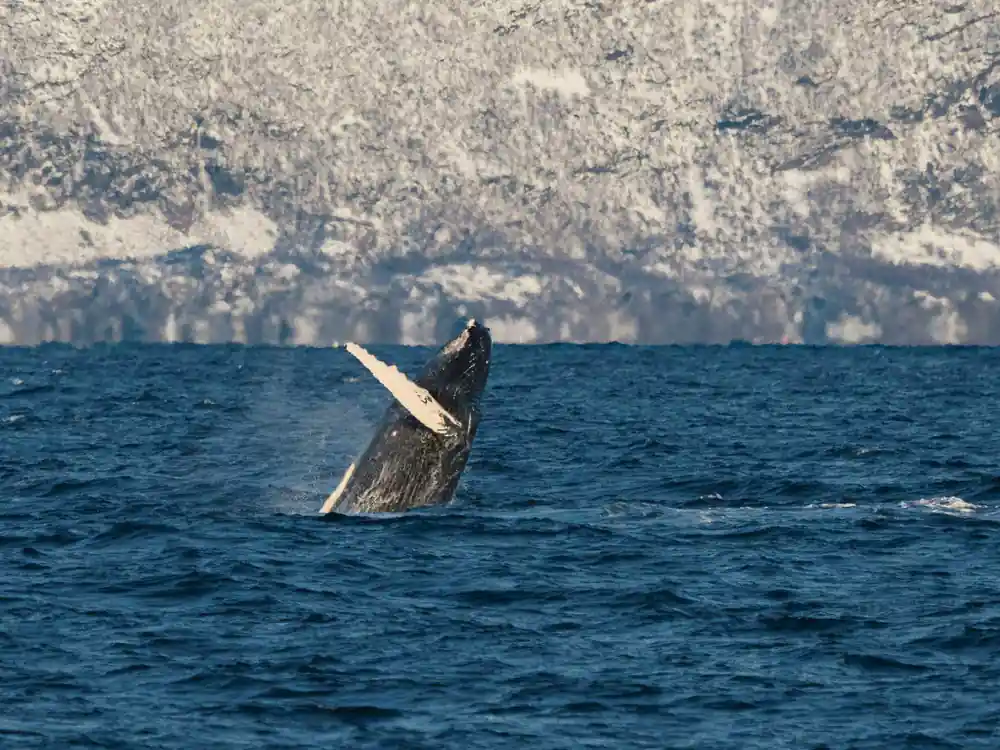
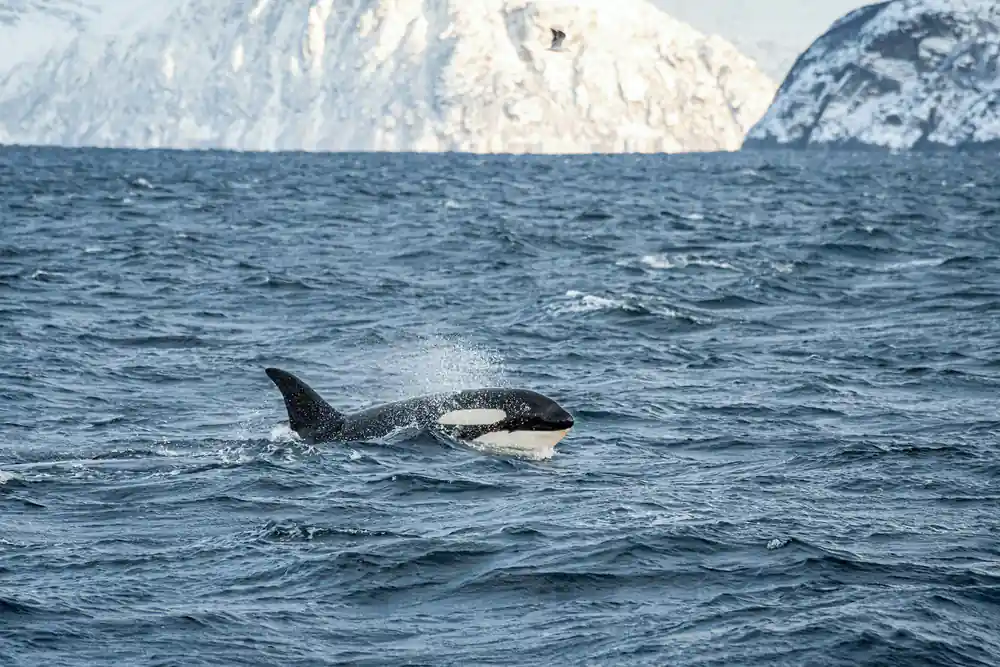
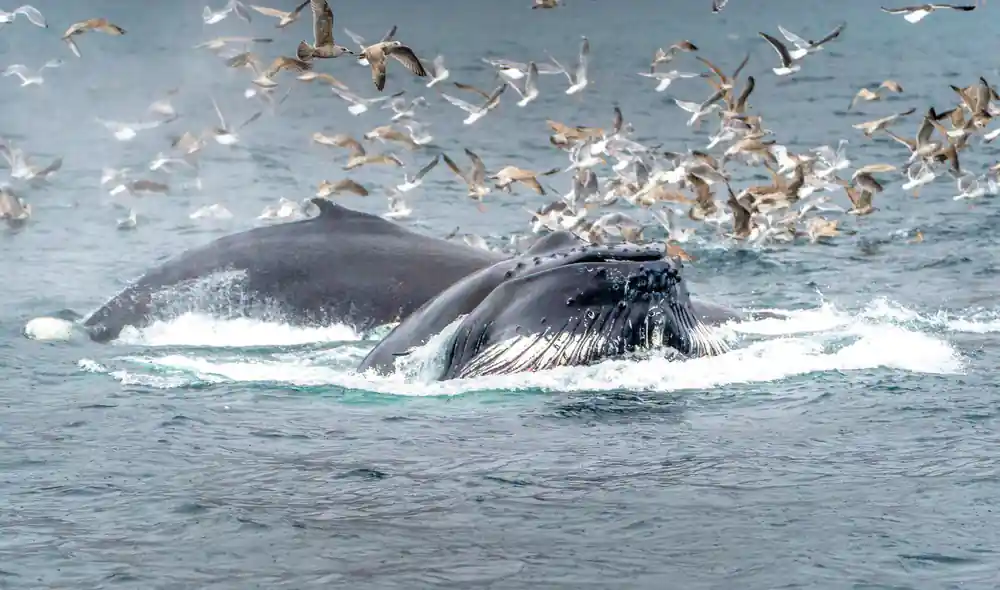
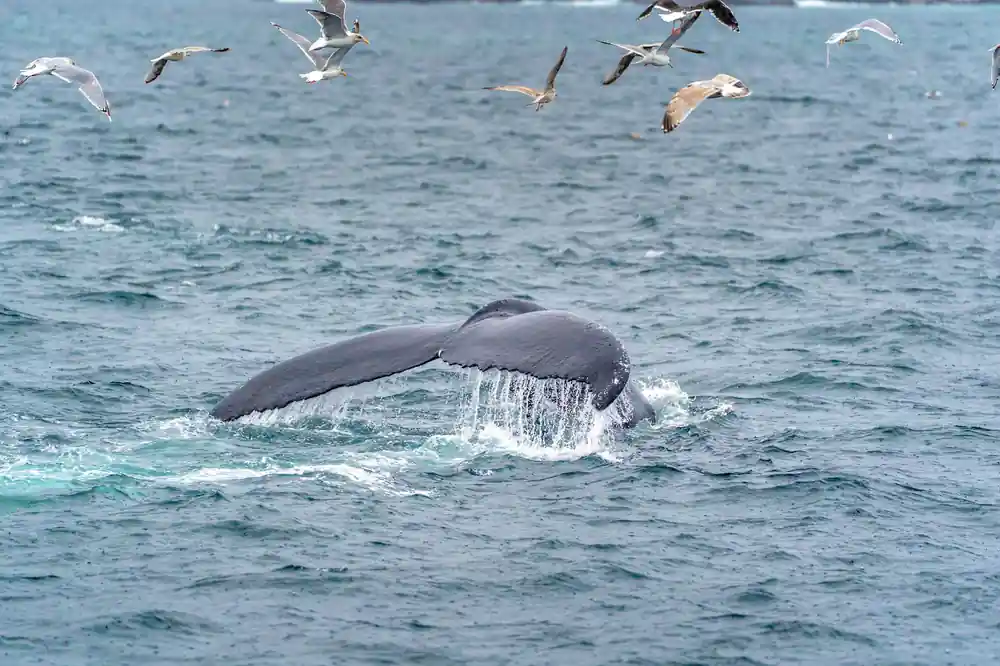
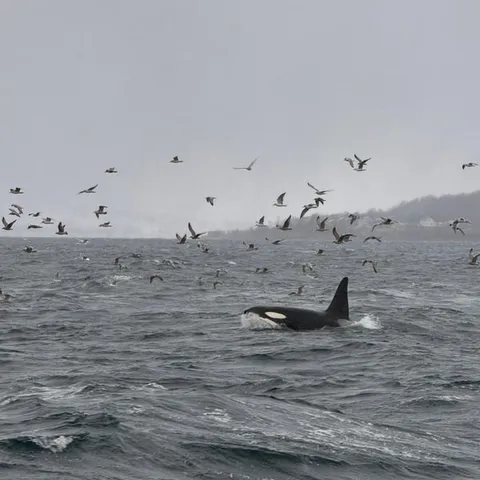
Orcas and humpback whales are the headline sightings on this tour, drawn to Tromsø's fjords because of the rich feeding grounds in these waters. The region's proximity to major fish stocks, particularly herring, makes it a reliable location for cetacean activity during the tour season. You should approach this experience with realistic expectations: while these waters host regular whale populations, sightings are never guaranteed on any single day. Weather conditions, seasonal variations, and the unpredictable nature of wildlife mean that some days yield multiple close encounters while others offer distant sightings or none at all. The guides' expertise increases the probability of locating whales when they are present, but the ocean remains wild and resistant to guarantees.
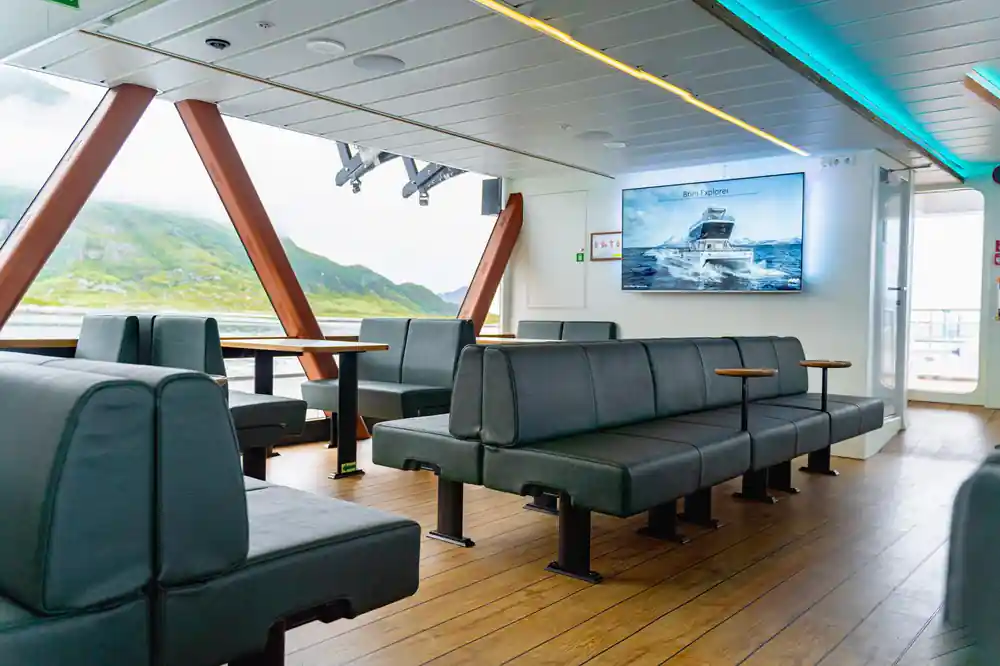
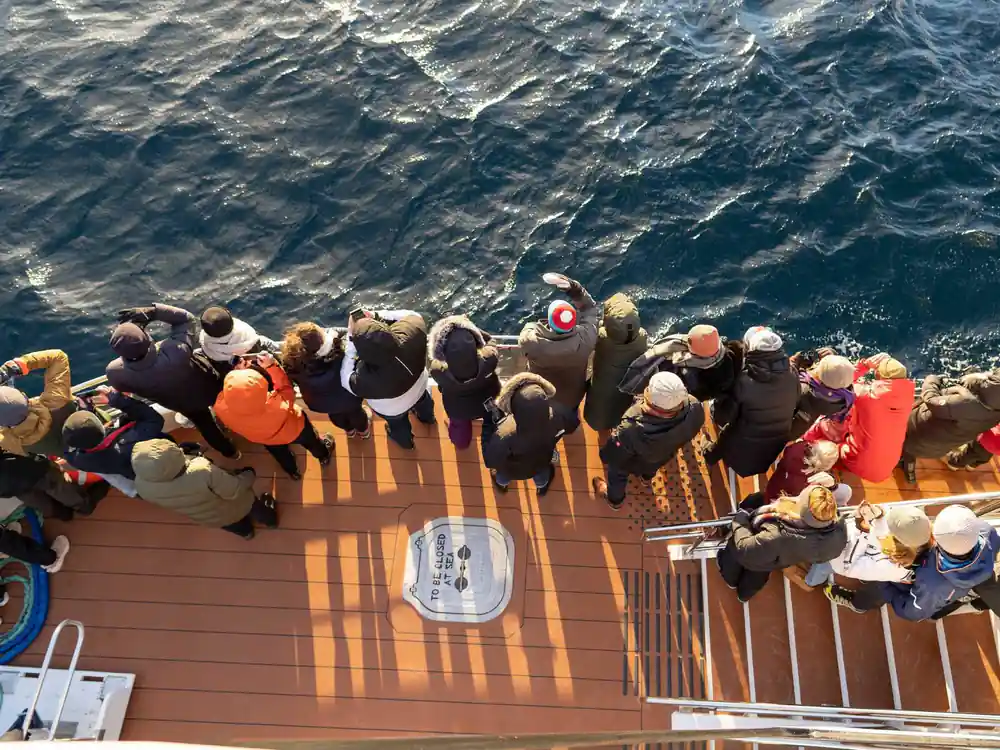
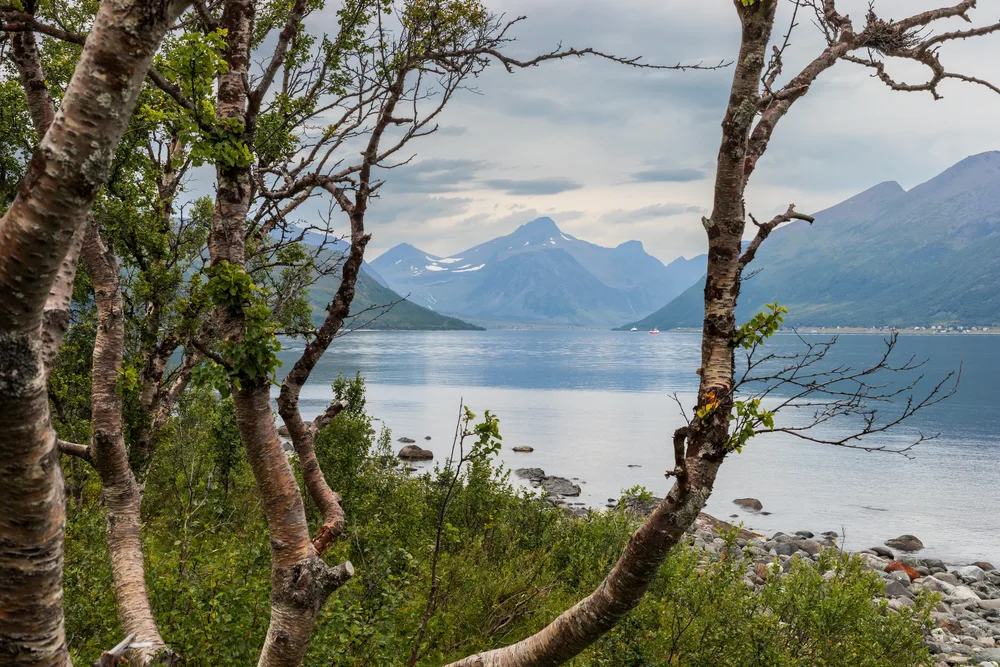
Beyond orcas and humpbacks, you may encounter white-beaked dolphins, harbour porpoises, or sea eagles depending on the season and conditions during your specific tour. The Arctic Cathedral and Lighthouse Lyngstuva stops offer chances to observe the region's seabird colonies and coastal habitats that support these marine species. The fjords themselves, with their dramatic granite walls and glacial influence, create a setting where marine life thrives. Bring binoculars and a camera with a good zoom, as wildlife can appear at varying distances. The heated indoor saloons with panoramic windows provide shelter while still offering excellent views, meaning you can watch for whales in comfort during colder moments of the day.
How your time breaks down across the 9-hour tour
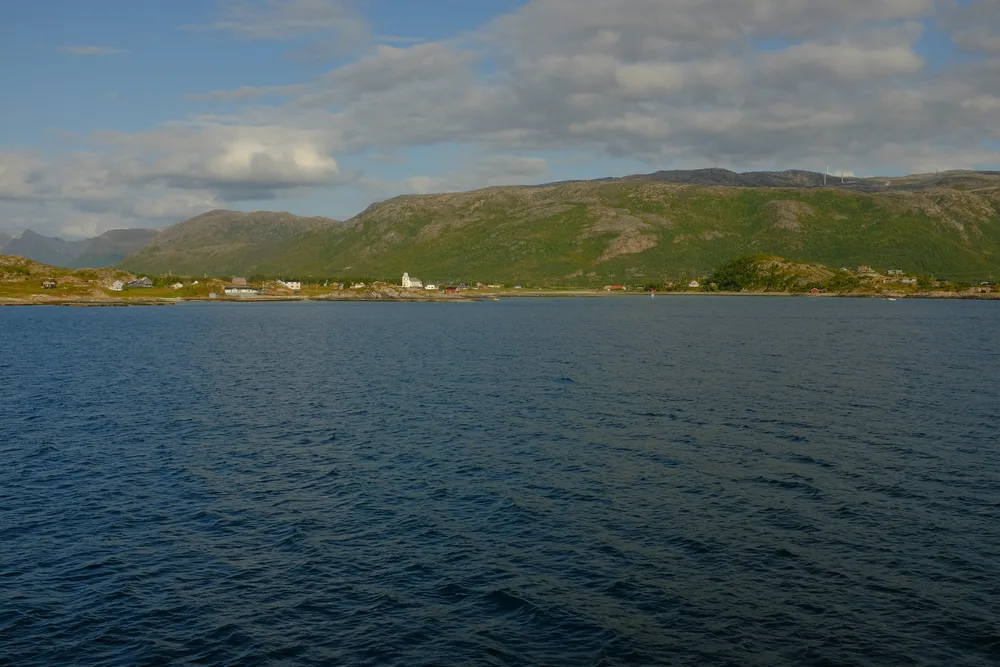
The full experience spans 9 hours from departure to return, though not all of this time involves active whale watching. The itinerary covers six locations, meaning you spend periods traveling between sites, stopping for landmark visits, and positioning the boat for optimal whale viewing. Early hours often yield the best whale activity as these cetaceans feed most actively in morning conditions. The tour typically includes multiple dedicated whale watching sessions spread across the day, with the boat pausing at the Lyngen Alps, Lighthouse Lyngstuva, Kagsundet, and Skjervøy between these observation periods. This structure prevents fatigue while maximizing your chances of encountering whales across different areas of the fjord system.
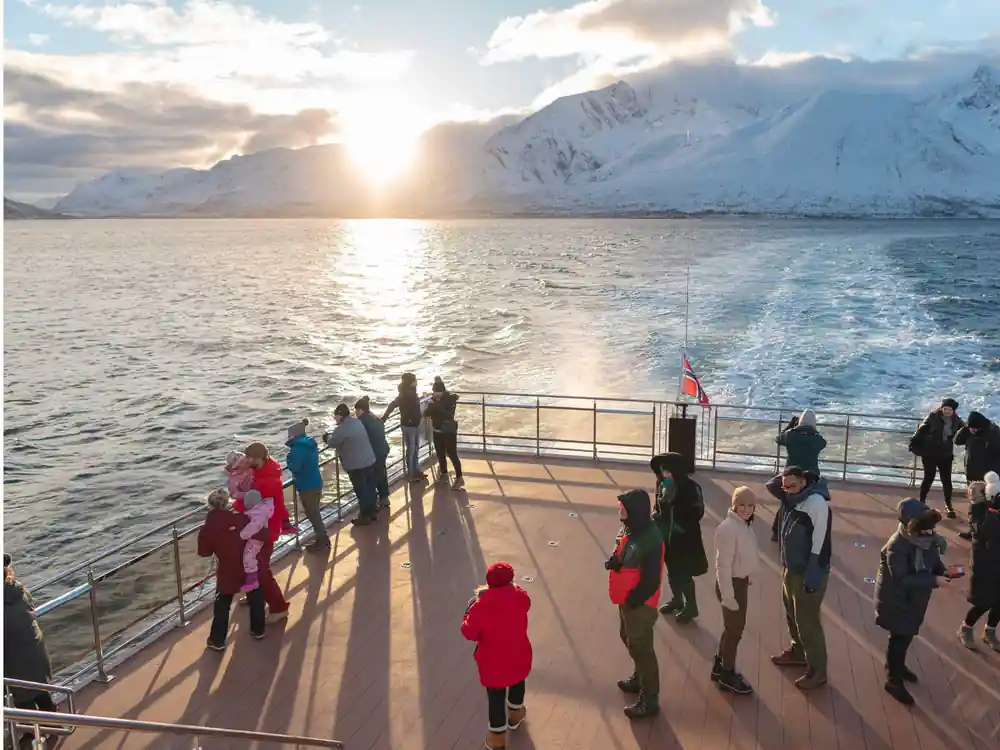
The Arctic Cathedral visit provides a cultural and visual break from whale watching, allowing you to experience one of Tromsø's most recognizable landmarks from the water. The 9-hour duration accounts for travel time between locations, positioning for optimal sightings, and practical needs like restroom breaks and meal timing. You should plan to arrive early for departure, as briefing and boarding typically occur 15 to 30 minutes before the tour begins. The long day requires stamina and genuine interest in the activity, since whale watching involves waiting, watching, and patience punctuated by moments of excitement. Winter conditions in the Arctic mean cold temperatures, so dressing appropriately in layers is essential for comfort throughout the full 9 hours.
What's included and what you need to know about costs
The tour includes experienced whale watching guides who provide real-time expertise and identify cetacean species as they appear. Tap water is provided throughout the 9-hour journey, so you can stay hydrated without additional cost. The heated indoor saloons with panoramic windows are included, offering shelter and comfort during Arctic conditions while maintaining excellent sightlines for whale watching. Wi-Fi access is available aboard the hybrid-electric boat, though connectivity in remote Arctic waters may be intermittent. The vessel itself, purpose-built for whale watching, represents the primary investment in this tour, and that specialized design is reflected in what you're paying for.
Meals and lunch are not included, so you should plan to bring food or arrange meals during any stops. Equipment such as binoculars, cameras, or specialized Arctic clothing is your responsibility to provide or arrange separately. The operator does not mention hotel pickup or transfers, so you'll need to arrange transportation to the Tromsø departure point independently. Pricing reflects the specialized boat, expert guides, fuel costs for a hybrid-electric catamaran in remote waters, and the operational complexity of Arctic whale watching tours. Understanding what is and is not included helps you budget accurately and prepare appropriately for the full day ahead.
Is this tour worth booking for your Arctic adventure?
The hybrid-electric design sets this whale watching tour apart from conventional alternatives. If minimizing environmental impact while maximizing whale encounter quality matters to you, this tour delivers on both fronts. The silent electric mode respects the animals and creates conditions for closer, more meaningful observation than loud diesel boats allow. The quality of guides, the specialized vessel, and the access to proven whale feeding grounds make this a credible choice for serious wildlife enthusiasts. If you're traveling to Tromsø specifically for the chance to see Arctic whales, this tour represents a thoughtfully designed approach to that goal.
The 9-hour commitment requires genuine enthusiasm for whale watching and tolerance for cold, long hours on water. This is not a short scenic cruise but rather an immersive day focused on marine wildlife observation. If you dislike waiting, cold weather, or extended time at sea, this tour will feel long. If you're deeply interested in Arctic ecology, cetacean behaviour, and willing to embrace the uncertainty inherent in wildlife watching, the experience offers substantial rewards. The combination of expert guides, innovative technology, and access to Tromsø's fjords makes this a legitimate highlight of an Arctic visit, provided you have realistic expectations about sightings and genuine interest in the endeavour.
Who should book this tour and who should skip it
Book this tour if you are a committed wildlife enthusiast with flexibility about outcomes. If you're traveling to Tromsø specifically to see whales and can accept that some days yield better sightings than others, this tour delivers the best possible conditions for that goal. Experienced travelers comfortable with long days, cold temperatures, and open-water conditions are the ideal audience. If you speak English and want detailed interpretation of Arctic marine ecosystems, the experienced guides will enhance your experience significantly. Photographers interested in whale behaviour and Arctic seascapes will find ample material across the 9 hours and six locations visited.
Skip this tour if you have limited mobility or struggle with extended periods sitting or standing on a moving vessel. The 9-hour duration is not suitable for young children or anyone prone to seasickness in open water. If you require guaranteed sightings, predictable outcomes, or activities with absolute schedules, wildlife tours do not match those expectations. If your Arctic interests focus on cultural sites, hiking, or indoor activities, the hybrid-electric boat experience may not align with your priorities. If you're on a tight budget and cannot accommodate meal costs or other incidentals not included in the tour price, calculate the full day's expenses before committing. This tour rewards genuine interest in whales and Arctic marine life; casual interest may not sustain engagement across 9 hours.
How to prepare for your Arctic whale watching adventure
Dress in genuine Arctic-appropriate layers, as the 9-hour tour exposes you to cold temperatures and ocean wind chill. Bring a warm waterproof jacket, insulated trousers, warm gloves, a beanie, and thermal base layers. Sturdy waterproof boots are essential for boarding and moving around the hybrid-electric catamaran safely. Prepare your eyes and camera before arrival: bring binoculars with good optics, a camera with a strong zoom lens, and extra batteries since cold drains batteries faster. Bring sunglasses or polarized lenses to reduce glare off water, which intensifies in Arctic light conditions.
Plan meals carefully since lunch is not included in the tour. Pack or arrange substantial snacks and a hot beverage in a thermos, as the long hours at sea require sustained energy. Bring water to stay hydrated, though tap water is provided aboard. Arrive early to the departure point to complete boarding and briefing without rushing. Check weather forecasts before your tour date, as Arctic conditions can change rapidly; the operator will advise if conditions are unsafe, but understanding conditions helps you pack appropriately. Most importantly, approach the whale watching tour with patience and genuine curiosity about the Arctic ecosystem. This mindset transforms the experience from a checklist activity into genuine adventure in one of the world's most remarkable regions.