Quick summary
- Orcas and humpback whales gather in fjords north of Tromsø during winter to feed on herring[1].
- The hybrid-electric whale watching tour lasts 9 hours and includes an English-speaking guide[2].
- Book from US$209 with free cancellation up to 24 hours in advance[2].
- Wheelchair accessible on the hybrid-electric boat[2].
- Saddle patches, dorsal fins, and tail flukes make perfect ID shots for research.
- Top choice Hybrid-Electric from US$209 Duration9 hours[2]Rating4.48[2]GuideEnglish[2]AccessWheelchair accessible[2] Check availability
- Catamaran from US$209 Duration6 hours[3]Rating4.23[3]GuideEnglish[3]AccessNot stated See this tour
- RIB Safari from US$257 Duration4-12 hours[4]Rating4.95[4]GuideEnglish[4]AccessNot stated See this tour
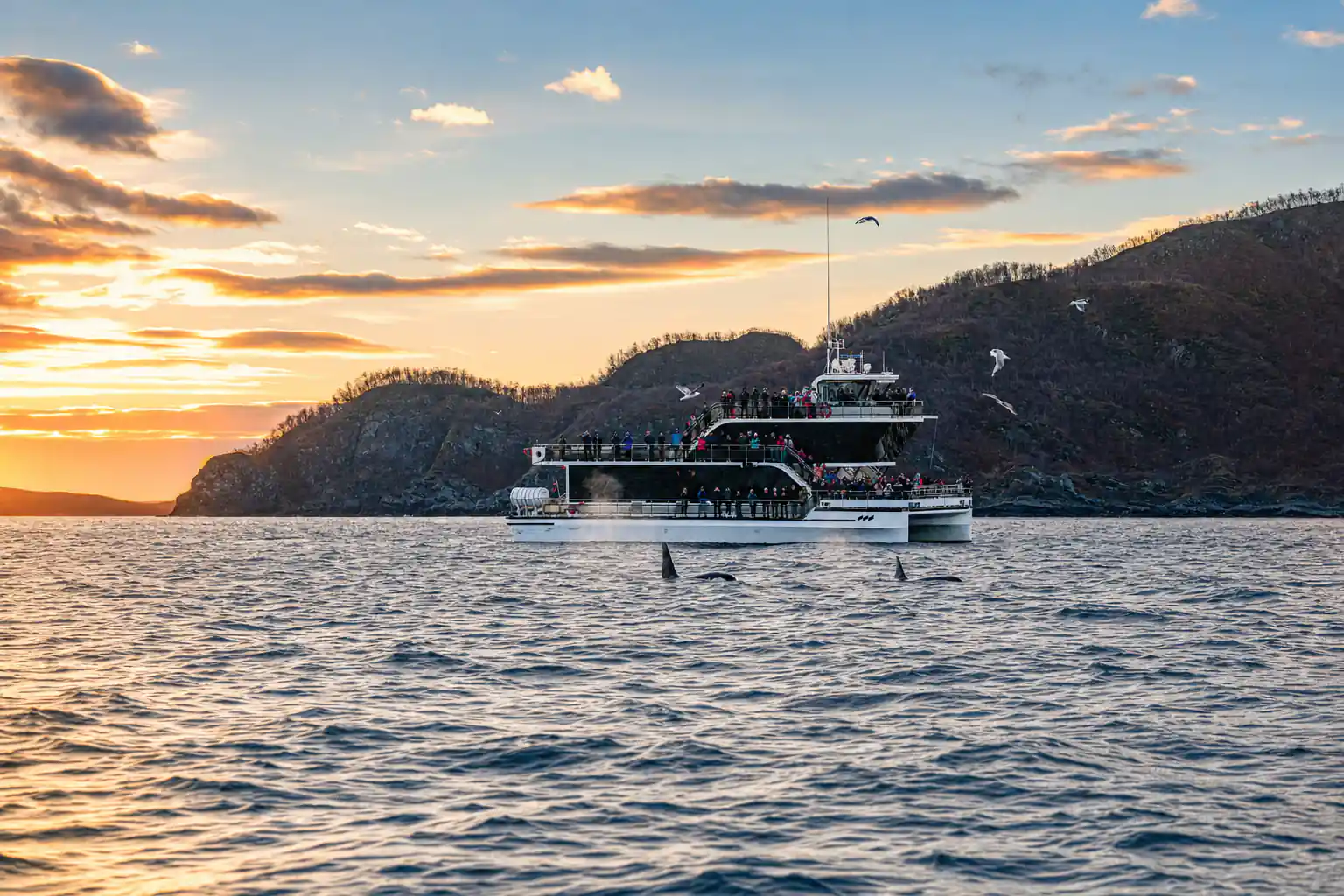
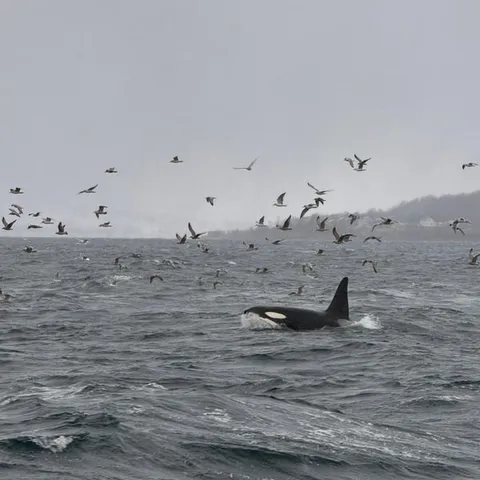
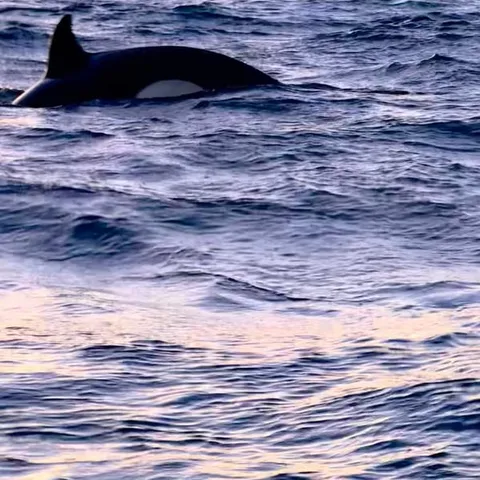
During the winter, orcas and humpback whales gather in the area to feed on herring.
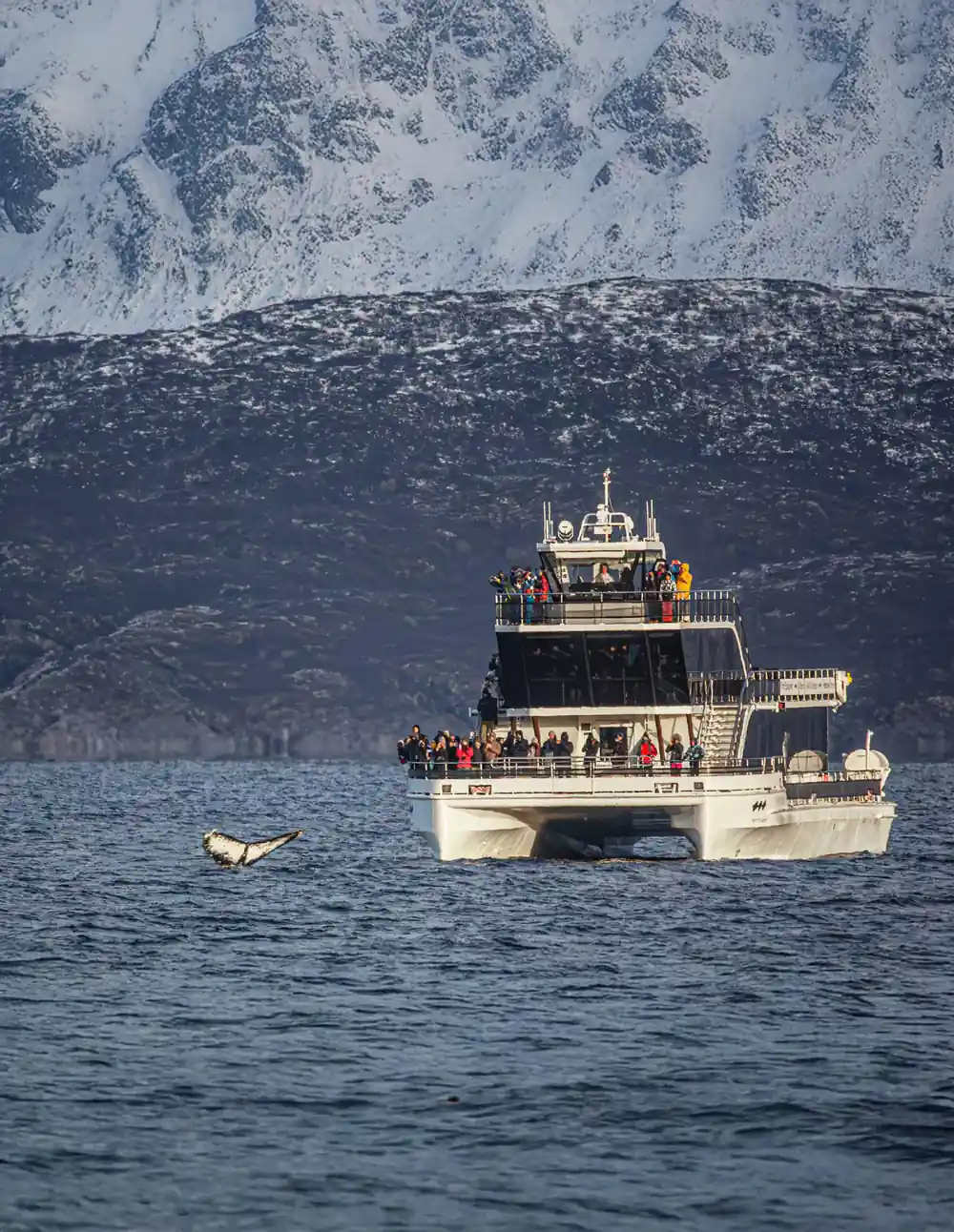
Spot orcas in Tromsø on a comfortable hybrid-electric day cruise
Booking
On the day
- 9-hour tour[2]
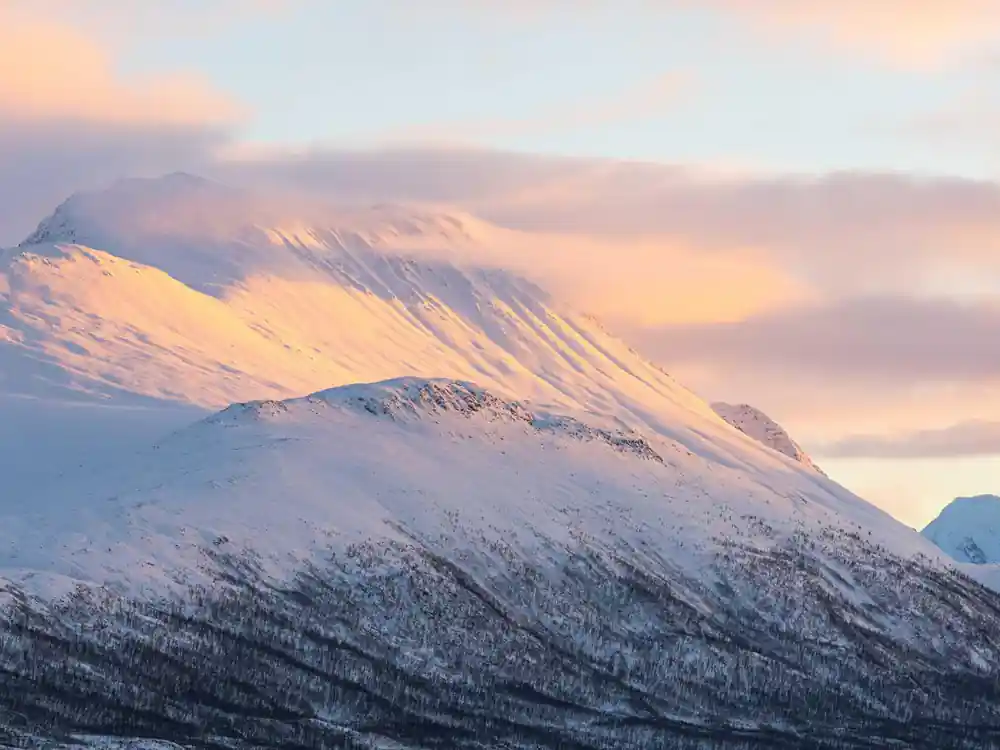
- Departs Tromsø, passes Lyngen Alps, Lyngstuva, Kagsundet, Skjervøy[2]
- From US$209[2]
- Dress warmly; average winter temperature is near −4°C[5]
Why individual whale identities matter
Head north from Tromsø, about 350 km above the Arctic Circle[6], and you are in true polar dark season. The polar night lasts approximately from 27 November to 15 January[7], when the sun does not rise, and average winter temperatures sit around −4°C[5]. In the same months, the northern lights may be visible from late August to early April, whenever the sky is dark and sufficiently clear[8]. For visitors, this makes winter a season of long nights, cold air, and possible aurora before or after a whale trip. Pack a thermos and warm layers, because the best deck positions are the coldest ones, and a camera battery kept in an inside pocket will last far longer in the chill.
Those dark fjords also hold food. During the winter, orcas and humpback whales gather in the area to feed on herring[1]. Norwegian spring-spawning herring migrate northeastward in September/October to wintering areas off the coast and in fjords in northern Norway[9]. Whales follow these shoals, and individual animals can return year after year. Learning to identify them turns a beautiful outing into a small contribution to marine science. Herring schools are dense but patchy, so captains scan for birds and splashes that reveal where the fish are.
How Orcas Are Identified by Saddle Patch and Fin
Orcas are the easiest large whale to tell apart once you know the system. Each orca has a saddle patch: the grey area behind the dorsal fin. Its shape, curves and scars are unique to that animal. The dorsal fin itself adds another layer: male fins tend to be taller and more upright, while female fins curve back, and nicks from old encounters make each edge different. With a little practice, you can begin to name individuals in your own head before you ever check a catalog. A calf's fin will also grow noticeably over a season, so photograph the same individual on different days if you sail twice.
Size helps you separate age classes too. Adult male orcas can be 6-9 meters long and weigh about 6 tonnes, while females can be 5-7 meters long and weigh about 4 tonnes[10]. On the 9-hour hybrid-electric tour[2], you usually get repeated views as the pod surfaces; that is the time to compare dorsal fins and saddle patches side by side. Your skipper will also respect fishing gear: Norwegian rules set a minimum distance of 0.2 nautical miles (370 m) from fishing vessels, steng or fixed gear[11]. Keep your camera ready and let the boat's gentle movement steady your shots. A telephoto lens, or even binoculars held over your phone, can close some of the distance, but a calm, steady hand matters more than zoom.
The dorsal fin and saddle patch behind it are your first clues to an orca's identity.
Humpback Flukes as Fingerprints
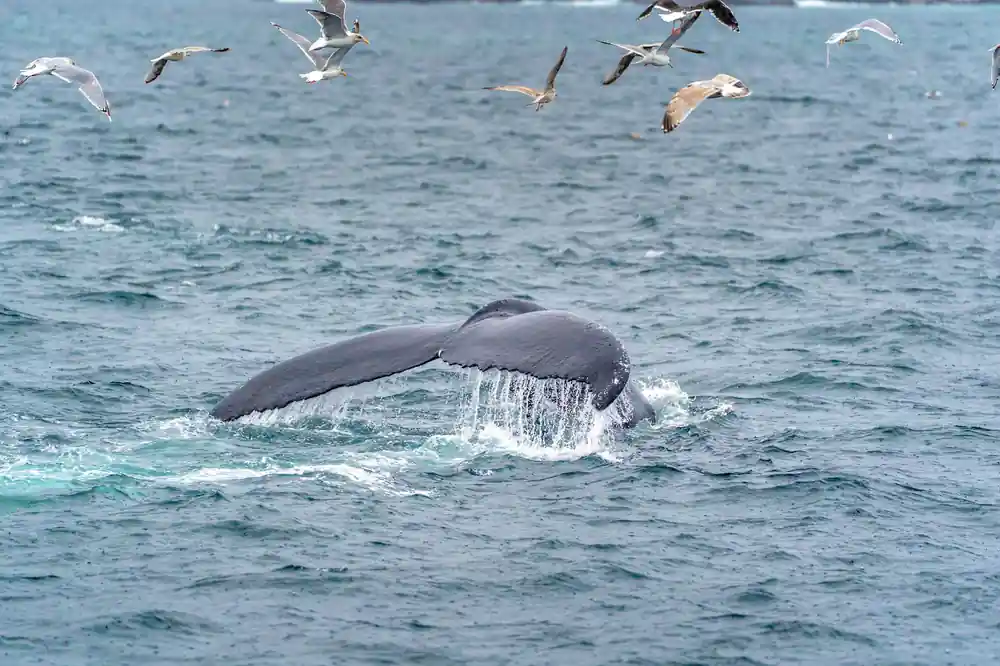
Humpbacks, the other winter visitor, are true giants. They grow to 15-17 meters long, with females 1-1.5 meters longer than males[12]. What matters for identification is the underside of the tail fluke: black and white pigmentation forms a pattern that does not change with age. No two humpbacks share the same fluke pattern, which is why researchers call them fingerprints of the sea. Look for the pale underside as the whale lifts its tail; the flash of white against dark water is your cue to press the shutter.
When a humpback prepares to dive deep, it often arches its back and lifts its tail clear of the water. That gives you the classic fluke shot. Try to capture the full underside, including the trailing edge, where chips and scars add secondary marks. Researchers can then match your image to a named whale in a photo catalog. Even a slightly blurred photo can help if it catches the overall shape and pigment blocks. A short video burst can capture several frames while the fluke is in the air, and you can pull the clearest still later.
Submitting Your Photographs to Research Catalogs
You do not need a marine biology degree to help. Local research groups and online catalogs welcome sharp citizen-science photos, especially images that show dorsal fins or undersides of flukes clearly. Note the date, time and position; even a phone photo can be useful if it shows a clear shape. Many catalogs have simple upload forms where you add the species, location and any notes about behaviour. Even a photo taken from a distance can become the first record of an unknown individual, especially if it shows the trailing edge clearly.
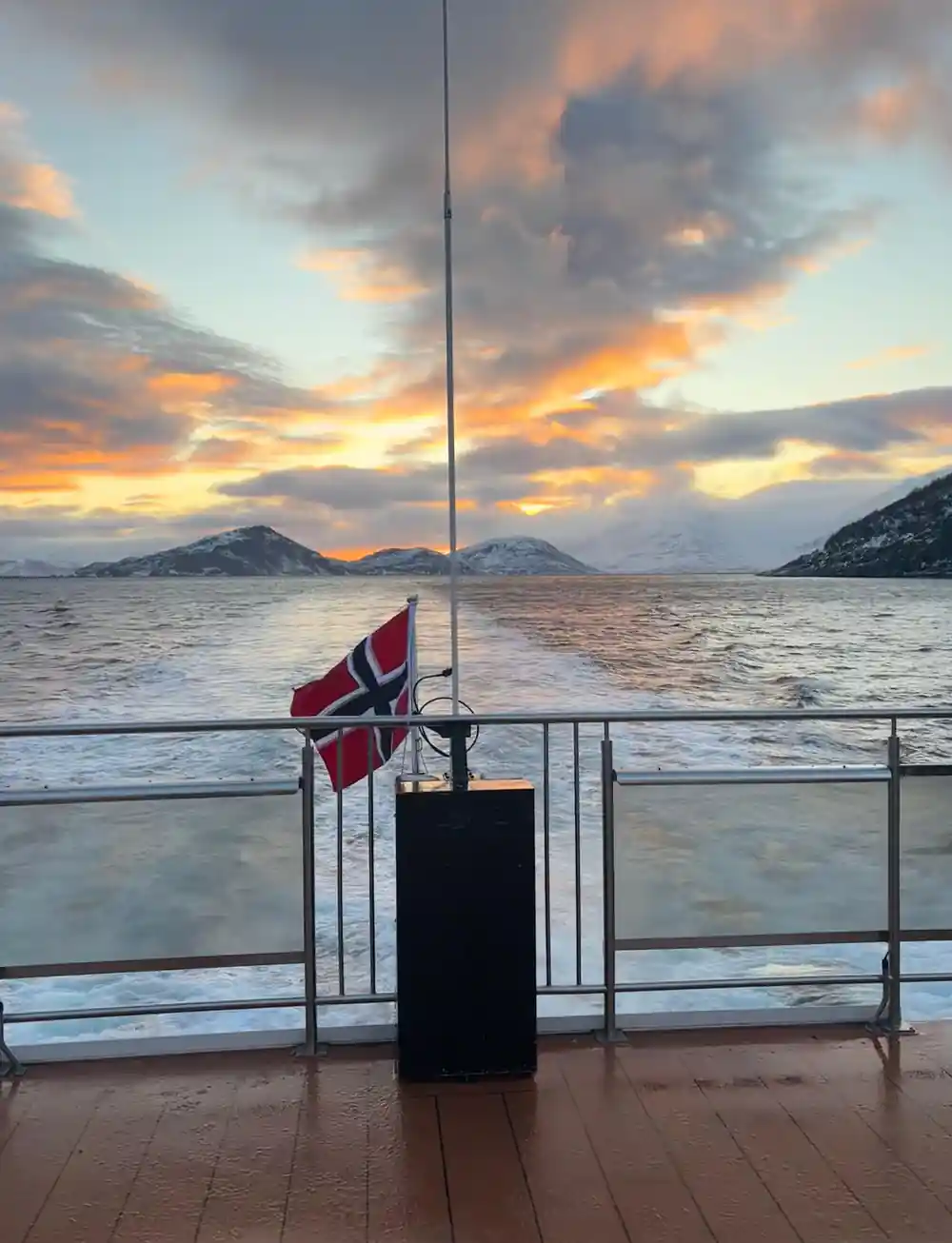
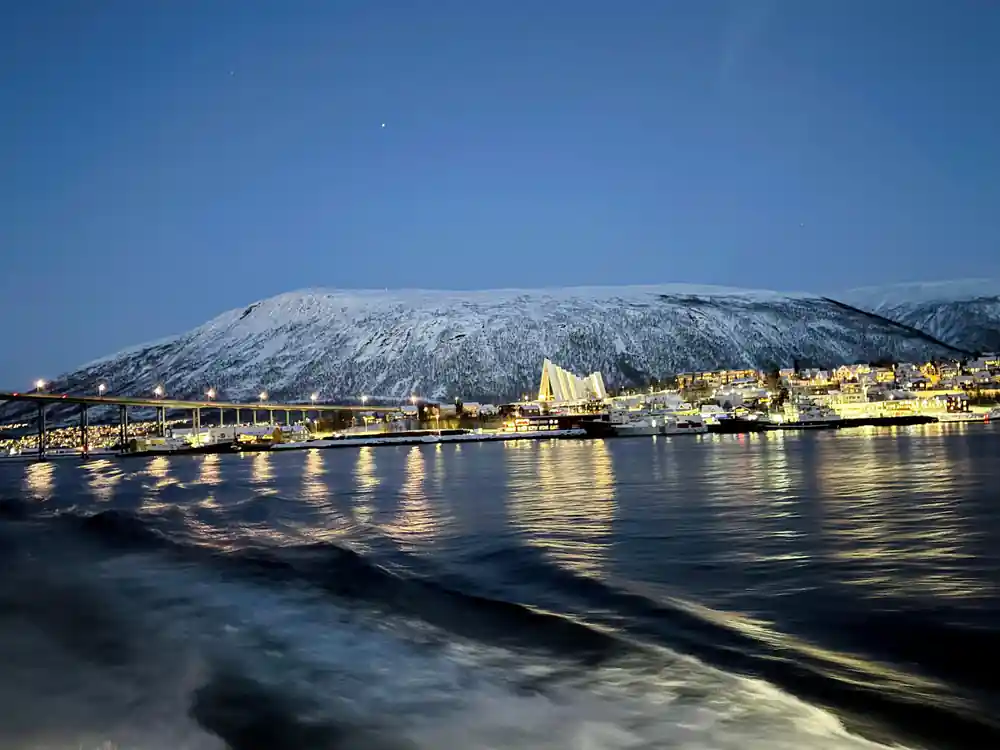
While you sail, you will pass named places that anchor your report. The hybrid-electric whale watching route leaves Tromsø, runs toward the Lyngen Alps, passes Lyngstuva lighthouse and Kagsundet, reaches Skjervøy, and later heads back past Arctic Cathedral[2]. Use those place names when submitting an observation; researchers value precise locations. If you can remember which side of the boat each sighting appeared on, that helps too. Ask the crew which side to watch; skippers often announce when the boat is about to swing, and that is when the angle improves.
from US$209
See orcas and humpbacks off the Lyngen Alps on a hybrid-electric whale watching tour from Tromsø.
Migration Routes from Caribbean Breeding Grounds
Humpbacks are great travellers. Individuals that summer in Norwegian waters may head south to warmer breeding grounds, including the Caribbean, where calves are born. Their fluke patterns are what allow researchers to reconnect a whale seen in Tromsø one winter with the same whale photographed months later thousands of kilometres away. Long-distance matches turn single sightings into migration maps. Researchers maintain online catalogs where you can search by fluke colour and see whether the whale you photographed has been seen in Norway before.
Orcas tend to move with their food. Photo-ID work along the Norwegian coast shows individual animals reappearing over successive winters, though their routes are less predictable than humpback migrations. When you add a clear sighting to a catalog, you give researchers another dot on the map. That dot may be the missing link between two feeding areas or a clue to a pod's winter range. For orcas, the recommendation is to photograph both sides of the saddle patch when the animal turns, because the two sides differ.
Pod Longevity, Family Bonds, and Distinct Dialects
Orcas live in tight matrilineal pods, with older females leading their daughters and sons. Each pod uses its own vocal dialect, handed down through generations. Watching a pod surface together is not just beautiful; it reveals social bonds that scientists have followed for decades. A matriarch may travel with her offspring for her entire life, and those relationships shape where the pod goes and how it hunts. Young calves bob beside their mothers, and their smaller fins make family groups easy to recognize once you know what to look for.
Humpbacks, in contrast, tend to be more solitary feeders, but they communicate across vast distances with song. Males sing long, complex songs that shift over time, and whales from different populations may share themes. For the visitor, understanding these behaviours makes every fin and breach more meaningful. You are not just watching animals; you are glimpsing family histories, dialects, and cultures that humans are only beginning to decode. Take time to listen between motor changes, and you may hear the huffs and blows that tell you where the pod will surface next.
What Satellite Tags Reveal and How Your Tour Helps
Satellite tags have transformed whale research. A small tag attached near the dorsal fin sends position data every time the whale surfaces, giving scientists month-by-month movements. In the Tromsø region, tracked herring-eating orcas show how closely they follow seasonal prey along the Norwegian coast. Those movement paths turn into maps that scientists update with every new sighting. Your photographs and location notes feed directly into that growing picture. Researchers value consistency more than perfection, so a regular diary of sightings, even on a single trip, helps reveal patterns.
The tour itself was built for observation. Modern hybrid-electric ships are designed with sightseeing in mind[13], and the specific whale watching cruise lasts 9 hours, with a live English-speaking guide[2]. Wheelchair access is included[2]; from US$209 you can book now, pay later, and cancel for free up to 24 hours before[2]. Travellers have rated the tour 4.48 from 6,644 reviews[2]. If you want to do more, ask the guide whether the operator supports a local photo-ID project; many do.
Whale-watching tours compared by price
From-prices on GetYourGuide for whale-watching tours from Tromsø: hybrid-electric[2], catamaran[3], MS Gabriele[14], high-speed catamaran[15], RIB safari[4].
Compare whale watching options
Adult from-prices on GetYourGuide: hybrid-electric[2], catamaran[3], RIB[4].
Plan your booking
How to identify your whale
Start with the fin
Notice whether the dorsal fin is tall, curved, scarred or nicked; these details make the identity.
Find the saddle patch
For orcas, the grey patch behind the dorsal fin is unique. Compare left and right sides: the patch curves differently.
Wait for the tail
Humpbacks often raise their flukes before diving; photograph the underside like a fingerprint.
Note time and place
Jot down where the sighting happened; this matters for ID catalogs.
Share your photos
Submit sharp images to a local research catalog and add your sighting to long-term data.
Ready to spot an individual whale?
from US$209Reserve now & pay later